
Private Debate Tutoring in Bali
Debate Tutoring in Bali: The Side Is Assigned
Debate tutoring in Bali from Edupola pairs one coach with one learner. You do not choose your side and you do not get an evening to prepare, and those 2 conditions decide everything the sessions work on. Fees from IDR 197,300 per session.

Rating and fees for debate tutoring in Bali
| Programme | Debate Tutoring in Bali |
|---|---|
| Provider | Edupola |
| Description | Private debate tutoring in Bali, one teacher per learner: the side is assigned by draw and the preparation time is counted in minutes. |
| Fee | Fees start from Rp197,300 per session. |
| Session Length | Every session runs 60, 90, or 120 minutes. |
| Schedule | Flexible, following the learner's free hours. |
| Start | Enrolment is open year round. |
| Sessions per Month | 4 to 28 sessions per month, as needed. |
| Rating | 4.9 out of 5, based on 109 reviews |
Programme at a Glance
Debate Tutoring in Bali and the Two Conditions That Decide It
Debate tutoring in Bali runs one tutor with one learner, at your home, your school, or over a shared screen. Two conditions make this subject unlike any other kind of speaking practice.
The first is that the side is assigned. A draw decides whether you argue for the motion or against it, which means a learner regularly has to build the strongest possible case for a position they personally reject. The second is that preparation is counted in minutes: the motion arrives shortly before the first speech, so there is no evening to research in.
Together those two conditions change what is worth practising. Not opinions, which you may not get to use, but the order of preparing and the habit of writing a rebuttal before you have heard the argument. Fees start from IDR 197,300 per 60-minute session, with 4 to 28 sessions a month. This programme holds a 4.9 out of 5 rating across 109 learner reviews in Bali.
Consequences
Six Things That Follow From a Draw and a Timer
Each item below follows from the side being assigned and the preparation being short. They are the working content of debate tutoring in Bali.
-
Arguing a Position You Reject
Learners practise building the strongest case for a view they do not hold. It sharpens their own thinking: anyone who can assemble the other side's reasons knows exactly where their own position is weak.
-
Preparation Counted in Minutes
The motion arrives a few minutes before the first speech. What gets trained is therefore the order of preparing: find the point of disagreement first, then gather reasons, with the time split fixed as a habit.
-
One Point of Disagreement Chosen
Any motion can be argued from many directions, and choosing too many leaves a speech thin everywhere. Learners practise picking the one point that decides the round and digging into it.
-
A Reason Carries Its Consequence
A complete argument has a claim, a reason it is true, and what follows if it is. The consequence is the part most often missing, and an argument without one sounds reasonable while giving a judge nothing to weigh.
-
Rebuttals Written Before They Are Heard
Before the other side speaks, the learner writes down the reasons they are almost certain to use and the answer to each. Preparing in advance means listening calmly when the opponent actually speaks.
-
Listening While Taking Notes
A rebuttal can only be as sharp as the notes taken while the opponent spoke. Note-taking is drilled separately with a fixed page layout, because hearing and writing at once is not a skill that arrives on its own.
Formats
Debate Formats and What Each One Demands
Coaches use this with a learner who has a competition in view. The third column is what preparation has to be aimed at, and it differs by format.
| Format | Its shape | What it demands |
|---|---|---|
| Asian Parliamentary | Three speakers a side, one speech each, closed by a reply speech | A clear division of work between speakers, and a closing speech that sums up the disagreement without adding new arguments |
| British Parliamentary | Four teams in pairs, with two of them entering later | An extension that does not repeat the team before, and this is the hardest part because the space has narrowed |
| School-level competition | Usually Asian Parliamentary with motions released in advance | Team research across a motion list, and dividing the material between members |
| Open-level competition | Motions released on the spot, with heats and then knockout rounds | Stamina across a whole day, and the ability to build a case repeatedly in a short time |
| Points of information | The opponent asks to interrupt, and the speaker accepts or declines | A fast decision about when to accept, and a short answer that does not wreck your own running order |
| Judging | Judges score content, delivery, and the structure of the speech | Understanding that what is marked is the speech heard in the room, and not the position the learner believes is correct |
Learning Path
The Order of Material From Building an Argument
The debate stage a learner starts at is set by one timed case they build in the first session, never by how confident they sound.
-
Stage 1
Beginner
One complete argument: claim, reason, consequence. Learners write and deliver single arguments before any full speech, because a speech made of incomplete arguments cannot be fixed by delivery.
- Claim and reason
- The consequence
- One argument at a time
-
Stage 2
Intermediate
A full speech with a running order, and rebuttal written against reasons the learner predicts. Note-taking is drilled here with a fixed page layout.
- A running order
- Predicted rebuttal
- Note layout
-
Stage 3
Advanced
Points of information, reply speeches, and judging other people's debates. Sitting as a judge changes how learners speak more than any amount of advice.
- Points of information
- Reply speeches
- Judging others
-
Stage 4
Competition Preparation
Timed case building, repeated until the time split is automatic, with the format and the judging criteria of the actual competition in use.
- Timed case building
- The real criteria
- Day-long stamina
Who It Is For
Learners Who Take Debate Lessons in Bali
Every session holds one learner, so the format and the motions are taken from what that learner is heading towards.
-
Pupils Facing a Competition
Learners in Bali with a contest date. The format and its judging criteria set the sessions, and the time split is drilled until it is automatic.
-
Team Members Stuck in One Role
Learners in Bali whose team is fine except for their seat. Sessions work on that role alone, which a team practice cannot do.
-
Students Applying for Scholarships
Learners in Bali facing an interview panel. Answering a challenge without becoming defensive is the target.
-
Learners Afraid of Being Contradicted
Learners in Bali who freeze when argued with. Predicted rebuttal is used first, since prepared answers remove most of the fear.
-
Prospective Judges and Coaches
Learners in Bali who will mark or train others. Scoring against written criteria is practised on recorded rounds.
-
Professionals Who Argue for a Living
Learners in Bali in meetings and negotiations. The work is on conceding a point without losing the case.
One Session
Inside a 60-Minute Debate Session
This is the division used once a learner can build a complete argument. A timer runs through most of it, as it does in a real round.
-
5 minutes
Handing Out the Motion and the Side
The motion is given and the side is drawn, not chosen. The learner finds out which case they are building at the same moment they see the motion.
-
15 minutes
Building the Case Against a Timer
The point of disagreement first, then reasons and consequences, with the clock visible. The time split is the thing being drilled.
-
20 minutes
Speech and Rebuttal
The speech is delivered in full and the coach answers it, with notes taken on both sides in a fixed layout.
-
10 minutes
The Coach Takes the Opposite Side
The coach argues the other case at full strength, and the learner rebuts from the notes they took while it was being spoken.
-
10 minutes
Scoring With the Judging Criteria
The round is marked against the written criteria of the learner's format, with the score given for content, delivery, and structure separately.
In a 90 or 120 minute session, two full rounds fit, which is what a competition day actually feels like, which is what learners preparing for a competition usually choose.
Prepared by the Learner
What to Have Ready Before the First Session
The admin confirms these once the schedule for debate tutoring in Bali is agreed. A notebook, a visible timer, and a recorder are prepared by the learner and not included in the fee.
-
The Format and the Competition Date
Which format you will debate in and when. Asian Parliamentary and British Parliamentary demand different things, and preparing for the wrong one wastes weeks.
-
A Timer You Can See
A clock or phone timer placed where you can read it while speaking. Learners who cannot see the time either run out of material or run out of time, and both are marked.
-
A Notebook With a Fixed Layout
The same page layout every round: their arguments on one side, your answers on the other. A fixed layout is what makes notes usable under pressure.
-
A Voice or Video Recorder
A phone is enough. Learners hear filler words and collapsing sentence ends in a recording that they never notice while speaking.
-
A List of Motions You Have Used
Any motions you have already debated, with which side you had. It tells the coach where your preparation is already fluent and where it is not.
If you have never debated in a format, say so during the consultation. The first session runs one short timed round so the starting stage is set from what you actually do.
The Opponent
Debate Needs an Opponent, and the Coach Takes the Role
One thing is worth saying plainly: debate cannot be fully practised alone. Building a case is solo work, but rebuttal needs someone genuinely attacking your position, and listening while taking notes only trains when somebody is actually speaking.
In a private session the coach takes the opposing side. They speak as the opponent with arguments that are genuinely strong, and not arguments softened on purpose, because rebutting a weak opponent trains nothing. The coach also shifts into the role of judge at the end, and the shift is announced so the learner knows which criteria they are being marked against.
For learners heading to a team competition, practice with their own teammates is still needed and cannot be replaced. Private sessions are used to repair a specific role and the skills done alone, such as building a case in a short time. That division is agreed in the consultation so a learner does not rely on one route only.
What Learners Say
Stories From Debate Learners in Bali
The quotes below come from learners in Bali who completed the debate programme at Edupola, with their situation and what changed.
-
★★★★★
At first I only joined the ordinary school debate club, but after lessons at Edupola my argumentation technique rose sharply. The coach taught me how to build a strong case line and a sharp rebuttal. As a result, our team won the provincial NSDC and I was named Best Speaker.
Best Speaker at the Bali regional NSDC
Arya W.
Senior high school student, provincial NSDC champion · Verified learner
-
★★★★★
As a law student, debating skill is crucial. Edupola trained me intensively in the British Parliamentary format. I used to be nervous during POIs, and now I can handle impromptu motions with confidence. Our team reached the grand final of a national tournament.
Grand finalist at a national debate tournament
Ratih S.
Law student, university debater · Verified learner
-
★★★★★
As a debate coach, I need to keep my coaching methods up to date. The Edupola coach shared adjudication techniques and team coaching strategies that are very practical. My school debate team has now qualified for the national NSDC for the first time.
Took the school debate team to the national NSDC
Dharma P.
Senior high school debate coach · Verified learner
-
★★★★★
I joined Edupola to sharpen my argumentation in the courtroom. The coach taught the claim, warrant, and impact structure, which turned out to be very relevant for drafting a defence plea. My client won the lawsuit and my reputation at the firm has grown.
Won a civil lawsuit using argumentation technique
Ayu D.
Lawyer at a law firm · Verified learner
-
★★★★★
Debating skill turns out to be very useful in business. Edupola trained me to build persuasive arguments and read the weak points of the other side. I applied this technique when negotiating a large contract and the result was remarkable: a deal that had been difficult was finally closed.
Closed a deal worth billions thanks to negotiation skill
Adi P.
Corporate negotiator · Verified learner
-
★★★★★
I needed debating and diplomacy skills for a Model United Nations competition. The Edupola coach trained me to prepare a position paper, a lobby strategy, and a moderated caucus. Alhamdulillah, I won Best Delegate at the first regional MUN I took part in.
Best Delegate at a regional Model United Nations
Kirana S.
International relations student, preparing for MUN · Verified learner
Judging
Winning in Front of a Judge and Being Right in Your Own View
One shift in thinking has to happen early in debate lessons across Bali, and it applies to every learner in debate tutoring in Bali: what is marked is the speech heard in the room, and not the position the learner believes is most correct. Judges across Bali score what was said, so an argument that was strong in your head and never spoken counts for nothing at all.
The criteria usually divide into three: the content of the arguments, the delivery, and the structure of the speech. Beginners almost always concentrate on the second, while the first and the third carry more weight in nearly every format. One practical consequence: saying clearly what you are rebutting, then numbering your own arguments, raises the structure score without adding a single new argument.
That is why advanced learners are also trained to judge other debates. Sitting as a judge makes a learner hear the round from the marker's side, and almost everyone changes how they speak after scoring a few. Edupola promises neither a win nor a particular ranking. What the programme hands over are the criteria judges actually use, plus feedback aimed at one part you can work on next.
How to Register
Four Steps to the First Debate Session
The opening consultation carries no fee. The admin asks which format you debate in and whether a date is already fixed.
-
Name the Format and the Date
Which format you will debate in and when the competition falls. Those two answers set the criteria the sessions mark against.
-
Agree the Schedule
Days, times, session length, and sessions per month are agreed with the admin, following your team practice times, since private sessions are planned around them instead of replacing them.
-
Matching the Coach
The team looks for a tutor whose travel to your location in Bali stays short, and that search runs 1 to 5 working days. Competition formats, scholarship interviews, and judging are matched to coaches who have done them.
-
The First Session
One short timed round is debated, with the side drawn, so the starting stage comes from what you do instead of what you report.
Need help? Contact our admin on WhatsApp for a free consultation.
Documentation
Debate Practice With Edupola in Bali
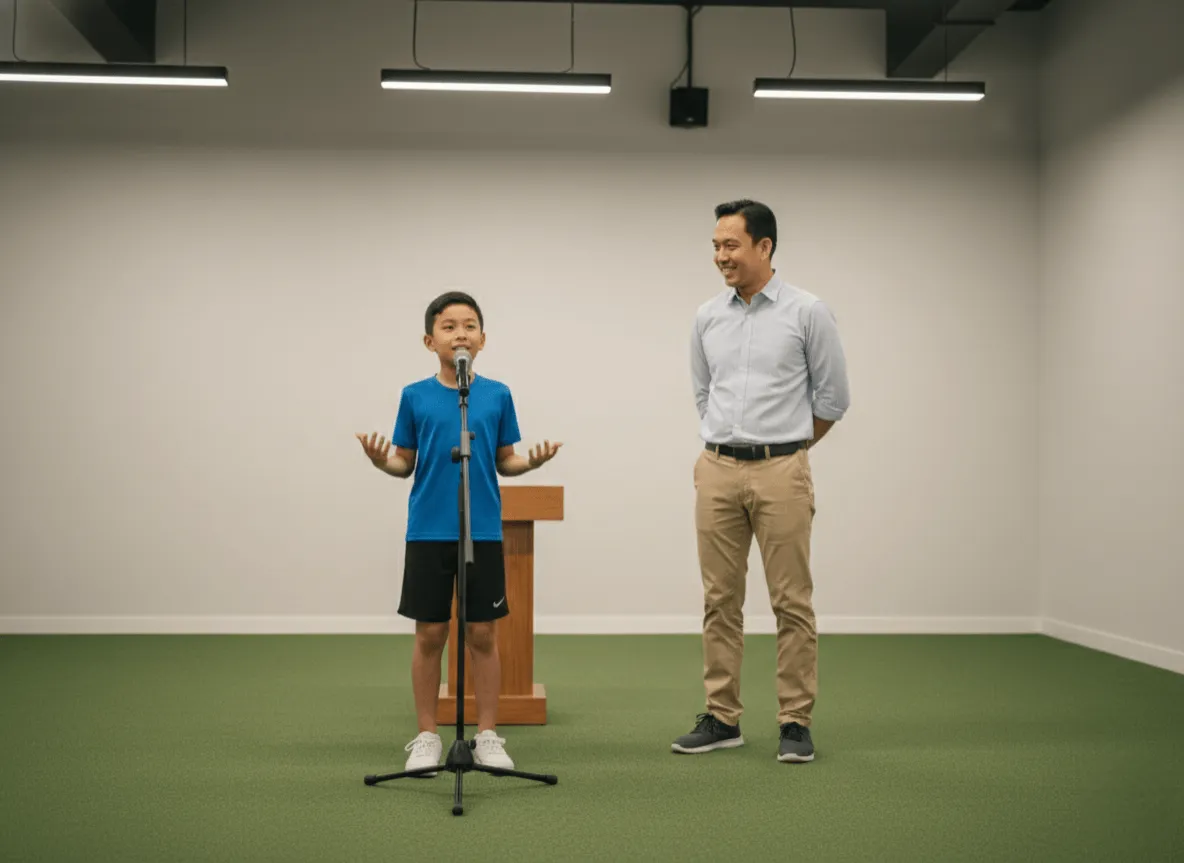
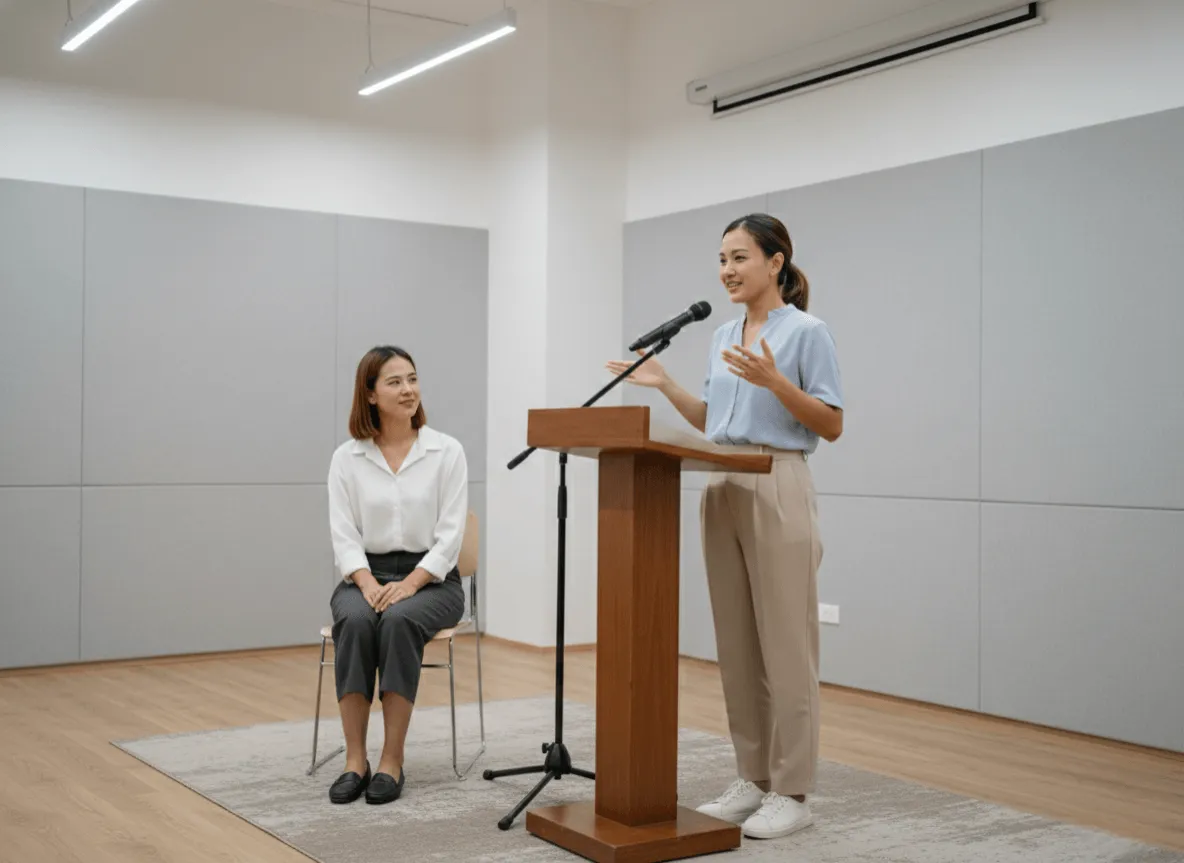
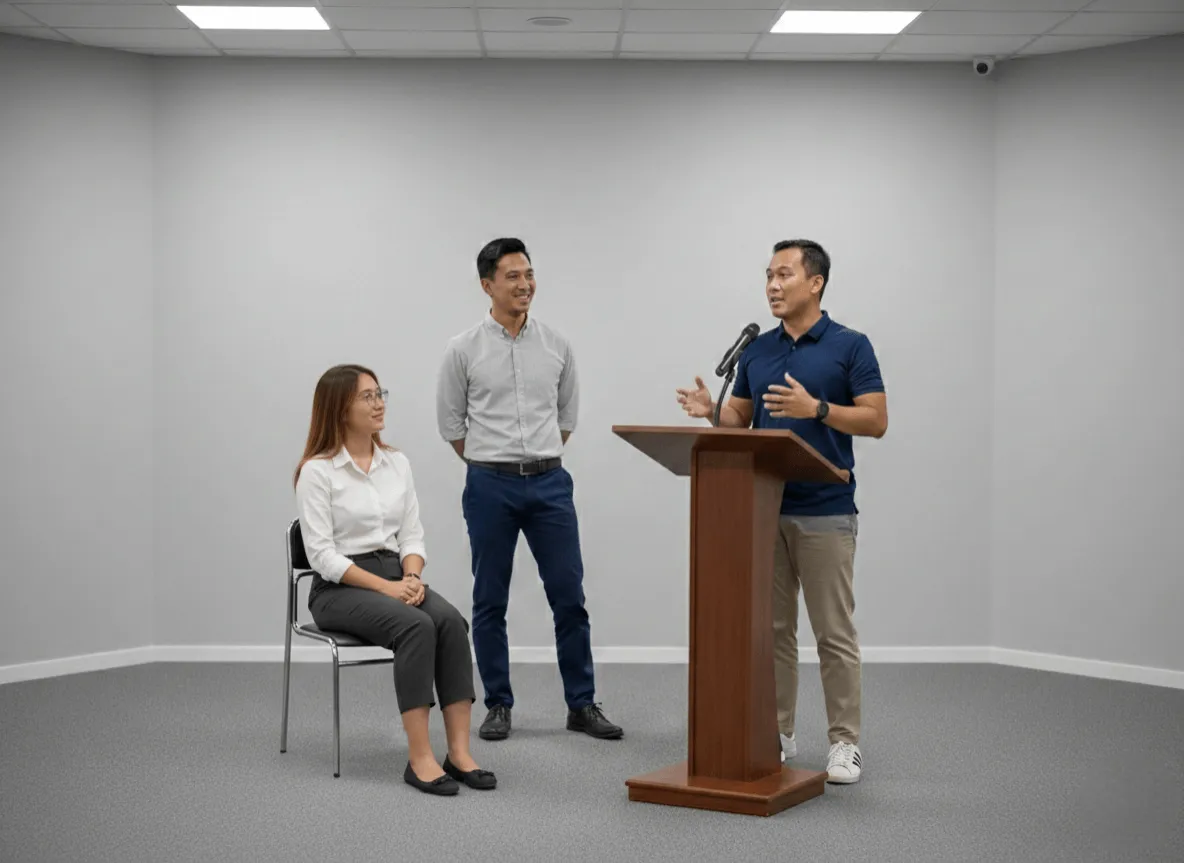
The photographs below were taken during debate tutoring in Bali sessions with learners on the island.


Service Area
Where Edupola Debate Coaches Travel in Bali
Tutors for debate tutoring in Bali travel to the location you choose, from Denpasar, Badung, and Gianyar through to Tabanan, Buleleng, Klungkung, Bangli, Karangasem, and Jembrana. Sessions often happen at the learner's school, because that is where the team practises and the two are planned together.
The format decides the match more than the distance does. Learners in British Parliamentary are matched to coaches who have debated it, since the extension is a problem that does not exist in other formats. Learners facing a scholarship panel are matched to coaches who have sat on one.
The Edupola office is not used as a lesson venue. Where no tutor is available near you, sessions run online. This programme transfers to a shared screen with one specific loss, as the next section explains. Ask the admin about coach coverage at your location in Bali.
Online Sessions
Online Debate Sessions in Bali and the Audio Delay
Online sessions for debate tutoring in Bali run over Zoom or Google Meet, and this programme suits that route better than most, since what moves between the two people is speech, notes, and a motion in text. The motion is shared on screen, the preparation time is counted together, and the speech is delivered with the camera on.
One limit is worth knowing: network delay makes a point of information feel different. In a room the opponent stands and cuts in within a second; over a screen the gap is longer and a speaker sometimes carries on without noticing an interruption. Coaches handle it with a hand signal agreed in advance, and learners heading to a face-to-face competition practise several sessions in a room.
What is actually better online is going through notes and judging criteria, since both can be shared on screen so coach and learner read the same page. Reviewing a recorded speech is easier too, because the call software has already recorded it. Fees for online sessions match face-to-face sessions.
Frequently Asked
Questions From Debate Learners in Bali
What does private debate tutoring in Bali cost?
Fees start from IDR 197,300 for a 60-minute session, the shortest option. Sessions of 90 and 120 minutes are available with the fee following the length. The final fee follows session length and the number of sessions per month, between 4 and 28. The admin sends the breakdown in writing before the first payment. A notebook, a visible timer, and a recorder are prepared by the learner and not included in the fee.
How is debate practised when the session has only two people?
The coach takes the opposing side and argues it at full strength, because rebutting a softened opponent trains nothing. At the end they shift into the role of judge and announce the shift, so the learner knows which criteria are being applied. For a team competition, practice with your own teammates is still needed and the private sessions are planned around it.
What if the assigned side is against what I believe?
That is the normal condition and not an unlucky one, and it is also the most useful part of the training. Building the strongest case for a position you reject shows you exactly where your own view is weak, which is why experienced debaters argue both sides of a motion deliberately. Nobody is asked to change what they think, only to construct what the other side would say.
How long is the preparation time in a competition?
It depends on the format and is usually counted in minutes instead of hours, with open-level competitions releasing the motion on the spot. That is why the time split is drilled as a habit: the point of disagreement first, then reasons with their consequences, then the running order. Learners who practise with no clock running find the competition itself a different activity.
Which part raises a judge's score fastest?
Structure, and it is the part learners pay least attention to. Saying clearly what you are rebutting and then numbering your own arguments raises the structure score without adding a single new argument. Beginners usually spend their effort on delivery, which carries less weight in nearly every format than content and structure do.
How is a debate coach matched to a learner?
The schedule is settled first during the consultation, covering days, times, session length, and sessions per month. The Edupola team then looks for a tutor whose travel to your location in Bali stays short, and that search runs 1 to 5 working days. The format matters here: British Parliamentary, open-level competitions, and scholarship panels are matched to coaches who have done them. If the first 2 weeks feel like a poor fit, a replacement is arranged at no extra cost.
Related Programmes
Other Programmes Learners Add in Bali
Learners taking debate tutoring in Bali often add one other programme, usually after a first competition.
-

Public Speaking Tutoring in Bali
Taken by learners who want delivery worked on without a timer running.
-

Copywriting Tutoring in Bali
Chosen by learners who want the same argument structure in writing.
-

English Tutoring in Bali
Often added by learners debating in English who need the language itself steadier.
Get Started
Start From One Complete Argument
Name your format, your competition date, and which seat you speak in. A tutor in Bali is matched within 1 to 5 working days.