
Private Tutoring for TK, KB, and Preschool Children in Bali
Preschool Tutoring in Bali: Early Learning for KB to TK B
Edupola's preschool tutoring in Bali serves children aged 3 to 6, from KB (playgroup) through TK A and TK B (kindergarten). A tutor comes to your home and works only with your child for one 60-minute session on pre-reading, numbers, fine motor skills, basic English, and school readiness through play. Fees start from IDR 107,600 per session.
Who It Suits
Families Who Get the Most from Private Preschool Tutoring
Preschool tutoring in Bali helps most in the situations below.
-
Children aged 3 to 6 who need guided stimulation
Children in KB, TK A, or TK B who need planned activities for language, numbers, and fine motor skills outside school hours.
-
TK B children about to start primary school
Extra work on pre-reading, writing their own name, and early counting, plus classroom habits such as following instructions and finishing a task.
-
Children who learn more easily in a place they know
Some children go quiet in a busy classroom. One-to-one learning at home helps them speak up and try things.
-
Children with special learning needs
Children who need an individual approach and a slower pace. Tell us about your child's condition during the consultation so the tutor we find is a good match.
-
Working parents
Families who cannot sit with their child to study every day and want a fixed schedule kept by someone else, with reports to read any time.
-
International families in Bali
Children who attend, or will attend, an English-medium school and need support with the alphabet, numbers, and basic vocabulary. Tell us the language of your child's school during the consultation.
School Readiness
Must Your Child Master Calistung Before Primary School?
Parents of TK B children ask this often. Calistung is the Indonesian shorthand for reading, writing, and arithmetic. In March 2023, Indonesia's education ministry (Kemendikbudristek), through Merdeka Belajar Episode 24, asked SD (state primary schools) and MI (Islamic primary schools) to stop using calistung tests when admitting new pupils. The ban was already written in Government Regulation 17 of 2010 and Permendikbudristek 1 of 2021. Some schools still hold an observation or interview at registration, so ask your chosen primary school in Bali directly.
The same policy names six foundation abilities built in PAUD (early childhood education) and the first years of primary school: religious values and good character, social and language skills, emotional maturity, cognitive maturity (including early literacy and numeracy), motor and self-care skills, and a positive view of learning. Under Kurikulum Merdeka, Indonesia's current national curriculum, the PAUD level is called the Foundation Phase (Fase Fondasi).
So calistung is still taught in preschool tutoring in Bali, in age-appropriate ways and alongside the other abilities. A child who can already read yet cannot wait for a turn, open a water bottle alone, or follow a two-step instruction will still struggle in the first week of grade 1. That is why an early childhood tutor gives hands-on work, storytelling, and classroom habits an equal share of the session.
Preschool tutoring ratings and fees in Bali
| Program | Preschool Tutoring in Bali (TK, KB, and Preschool) |
|---|---|
| Provider | Edupola |
| Description | Private tutoring for TK, KB, and preschool children in Bali by Edupola. Cognitive, motor, and social-emotional stimulation through learning through play, with one tutor for one child. |
| Fee | From Rp107,600 per session |
| Duration | 60, 90, or 120 minutes per session |
| Schedule | Flexible, as agreed with you |
| Rating | 4.9 out of 5, based on 127 reviews |
Program Overview
Preschool Tutoring in Bali with a Tutor at Your Home
Edupola's preschool tutoring in Bali is designed for three preschool levels: KB or playgroup (ages 3 to 4), TK A (ages 4 to 5), and TK B (ages 5 to 6). TK (Taman Kanak-kanak) is Indonesian kindergarten; KB (Kelompok Bermain) is playgroup. The tutor comes to your home in Bali, sits with your child on the floor or at a low table, and fills the session with songs, letter cards, objects to count, and hands-on work such as coloring, cutting, and threading beads.
Young children learn through play and movement, so each session is broken into short activities. A session lasts 60 minutes, and 90 or 120 minutes can be chosen during the consultation; for children aged 3 to 4, a 60-minute session is enough because their attention span is still short. The tutor sets the pace to suit your child, notes what is going smoothly and what needs repeating, and reports to you regularly with ideas for activities at home.
Fees start from IDR 107,600 per session. The final fee for a month depends on the session length you choose, how many times a week the tutor visits, and where your home is in Bali. Materials such as crayons, activity books, and child-safe scissors are bought by the family and are not included in the fee. Preschool children sometimes need time with someone new; if your child still has not warmed to the tutor within the first 2 weeks, you can ask for a different one at no extra cost. Parents who have used these lessons give an average rating of 4.9 out of 5 across 127+ reviews.
Material by Level
What Your Child Learns at Each Age: KB, TK A, and TK B
Targets at each level follow your child's age and stage of development. Every level has mistakes that are normal for that age, and the tutor handles each one without pushing.
-
Ages 3 to 4 · KB or Playgroup
Colors, Shapes, Numbers 1 to 10, and Letters Through Song
At this age children learn through their hands and ears. The tutor introduces colors and shapes using things around the house, numbers 1 to 10 by counting toys, and letters through songs. Coloring and cutting train finger muscles, while telling stories from picture books helps your child build sentences.
A common mistake: your child can recite 1 to 10 like a song, yet when counting five marbles says seven. They have not yet matched one object to one number word. The tutor has them move objects into a bowl one at a time, saying each number. Many 3-year-olds still grip a crayon with a fist; the tutor uses short crayon pieces so your child has to hold them with the fingertips.
- Basic colors and shapes
- Counting objects up to 10
- Learning letters through songs
- Coloring and cutting straight lines
- Telling stories from pictures
-
Ages 4 to 5 · TK A
Syllables, Writing Letters and Numbers, Counting to 20
TK A children begin reading simple syllables, writing letters and numbers, and counting to 20. Basic English comes in through the alphabet, colors, and numbers. The tutor also sets light puzzles, such as fitting picture pieces together or spotting the odd one out, to train your child's problem solving.
A common mistake: b gets swapped with d, and 2, 3, or 5 are written backwards. This is normal at this age. The tutor trains writing direction with big movements first, such as writing in the air or in sand, then introduces b and d on different days. Another one: your child spells "be, a" and then gets stuck reading "ba". The tutor goes straight to syllable sounds (ba, bi, bu), so there are no letter names to translate.
- Reading simple syllables
- Writing letters and numbers
- Counting to 20
- The alphabet, colors, and numbers in English
- Puzzles and picture-piece games
-
Ages 5 to 6 · TK B
Short Sentences, Writing Their Name, and Grade 1 Habits
In TK B children practice reading simple words and sentences, writing their name and short words, and basic arithmetic. Getting ready for primary school covers focus, following instructions, and independence. Basic English conversation comes through greetings, introductions, and guessing games.
A common mistake: your child reads a sentence aloud smoothly but cannot say who was in the story they just read. The tutor stops on each page and asks about the story. When adding 5 plus 3, many children count again from 1. The tutor teaches them to start at 5 and count on three steps with fingers or a number line. For classroom habits, the tutor gives two- to three-step instructions and has your child put away their own pencils and books.
- Reading simple words and sentences
- Writing their name and short words
- Basic addition and subtraction
- Following step-by-step instructions
- Simple English conversation
Learning Areas
Developmental Areas Practiced in Each Session
Preschool tutoring in Bali covers early academic skills and personal development. The balance is set by your child's age and by the tutor's notes from the previous session.
-
Reading
Letter sounds, syllables, then short words and sentences. Picture storybooks train your child to understand a story, guess what comes next, and retell it.
-
Writing
It starts with straight, slanted, and curved lines, then letters, numbers, and your child's own name. The tutor watches your child's pencil grip and posture.
-
Counting
Counting objects, comparing more and fewer, recognizing number symbols, then simple addition with fingers, buttons, or a number line.
-
Basic English
The alphabet, colors, numbers, names of things around the house, and everyday greetings. Songs and guess-the-object games make children brave enough to say new words.
-
Creativity and Art
Coloring, finger painting, gluing, and shaping play dough. Your child talks about each piece of work, so art time also trains language.
-
Problem Solving
Puzzles, finding color patterns, ordering objects from small to large, and spotting the object that does not belong in a group.
-
Social and Emotional Skills
Waiting for a turn, asking for help and saying thank you, naming their own feelings, and finishing an activity even after getting upset.
-
Fine Motor Skills
Cutting, threading large beads, picking things up with clothes pegs, tearing paper, and tracing lines. Strong finger muscles make writing easier in primary school.
-
Primary School Readiness
Finishing one task while seated, listening to instructions, raising a hand before speaking, and tidying up their own things.
One Session
What Happens in a 60-Minute Kindergarten Lesson?
Here is a sample plan for 60 minutes of preschool tutoring in Bali with a TK A child. The tutor switches activities before your child gets bored, so every part is kept short.
-
5 minutes
Greeting and Opening Song
The same song at the start of every session signals that learning time has begun. The tutor asks how your child is and how school went that day.
-
15 minutes
Letter Sounds and Syllables
Syllable cards, a hunt for objects starting with a certain sound, or reading one picture book page together.
-
5 minutes
Movement Break
Jumping while counting, copying animal movements, or a song with hand actions. This part resets your child's attention before the next activity.
-
15 minutes
Numbers with Real Objects
Counting buttons, sorting spoons by color, or adding two stacks of blocks. Number symbols come in after your child understands the amount.
-
15 minutes
Hands-On Activity
Cutting along a line, threading beads, shaping play dough, or tracing over letters. The tutor watches how your child holds each tool and demonstrates when needed.
-
5 minutes
Closing Story and Notes
Your child tells the tutor about the part they liked most. The tutor writes down the day's progress as material for the report to parents.
For KB children, there is more moving and singing. For TK B children, the share of reading and writing is larger. Session length is chosen during the consultation: 60, 90, or 120 minutes.
Approach
How Tutors Work with Children Aged 3 to 6
Edupola's early childhood tutors follow the four principles below. All of them come from the way preschool children learn: through play, a sense of safety, and clear praise.
-
Learning Through Play
Educational games, songs, and hands-on activities are the way into the material. For example, letter cards are hidden around the room, and your child reads each one on finding it.
-
Safety Comes First
In the early sessions, the tutor spends more time playing and chatting than teaching. A child who feels close to the tutor tries more and fears mistakes less.
-
Targets That Match the Stage of Development
A 3-year-old is not asked to write letters, and a child who is not ready to read sentences is not pushed. Every child has their own pace, and targets come from the tutor's observations.
-
Praise That Names the Effort
The tutor praises something specific, such as "you counted slowly all the way to the end just now", then gives a sticker or a small star. Your child learns which behavior is valued.
Step-by-Step Progress
Milestones Parents Can Watch for at Home
An outline of preschool tutoring in Bali from the first week until the months before primary school. Every child moves at a different speed, so this table shows what to look for, without a rigid timeline.
| Period | Tutor's focus | What you can notice at home |
|---|---|---|
| Weeks 1 and 2 | Getting to know your child, observing starting abilities, building a routine | Your child sits and plays with the tutor without needing you there the whole time |
| First month | A fixed session pattern: opening song, main activities, closing story | Your child knows the order of activities and looks forward to lesson days |
| Second and third months | Targets for each area based on observation, such as writing their name or counting objects | Your child tries on their own first before asking for help |
| Final semester of TK B | Grade 1 habits: step-by-step instructions, sitting longer, tidying up their things | Your child finishes an activity sheet from start to end and talks about what is on it |
The tutor's regular report records progress in each period, along with ideas for light activities at home.
Honest from the Start
When Private Lessons Are Not the Right Step Yet
There are times when private lessons are not the most useful first step for a young child. If your child in Bali already has plenty of structured activities at school and looks worn out in the afternoon, extra lessons can make them reluctant to learn. Free play, an afternoon nap, and conversation with the family are also part of early childhood development.
For a child with a speech delay, a developmental condition, or sensory difficulties that have not been assessed, start with a pediatrician, a psychologist, a speech therapist, or an occupational therapist. Private kindergarten lessons can run alongside that therapy and follow the therapist's advice. They do not replace it.
If the main goal is for a 3-year-old to read fluently within a few months, share that hope during the consultation. The tutor will explain what is realistic for your child's age, and you can set new targets together.
Gallery
A Glimpse of Private Lessons in Bali
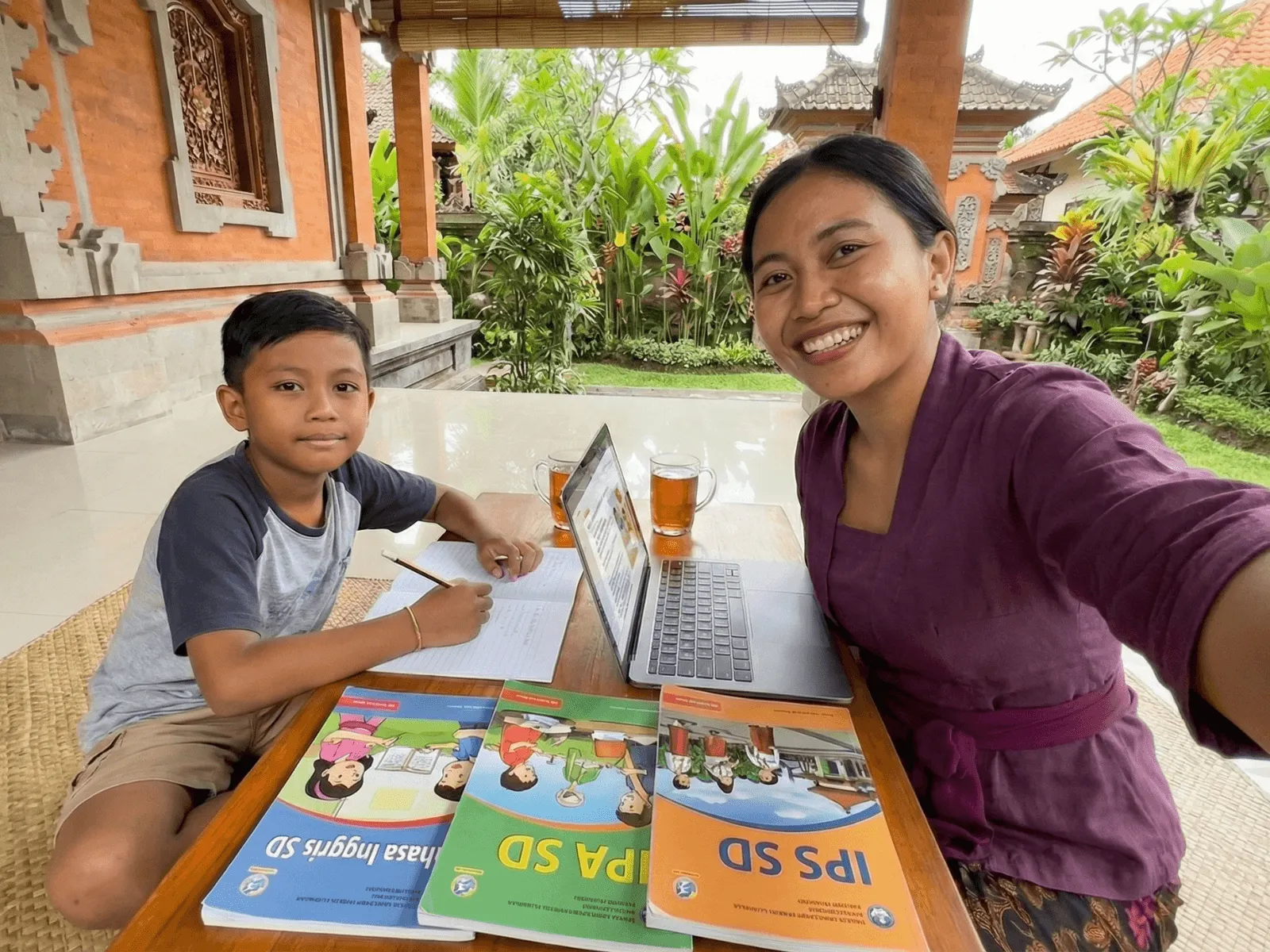
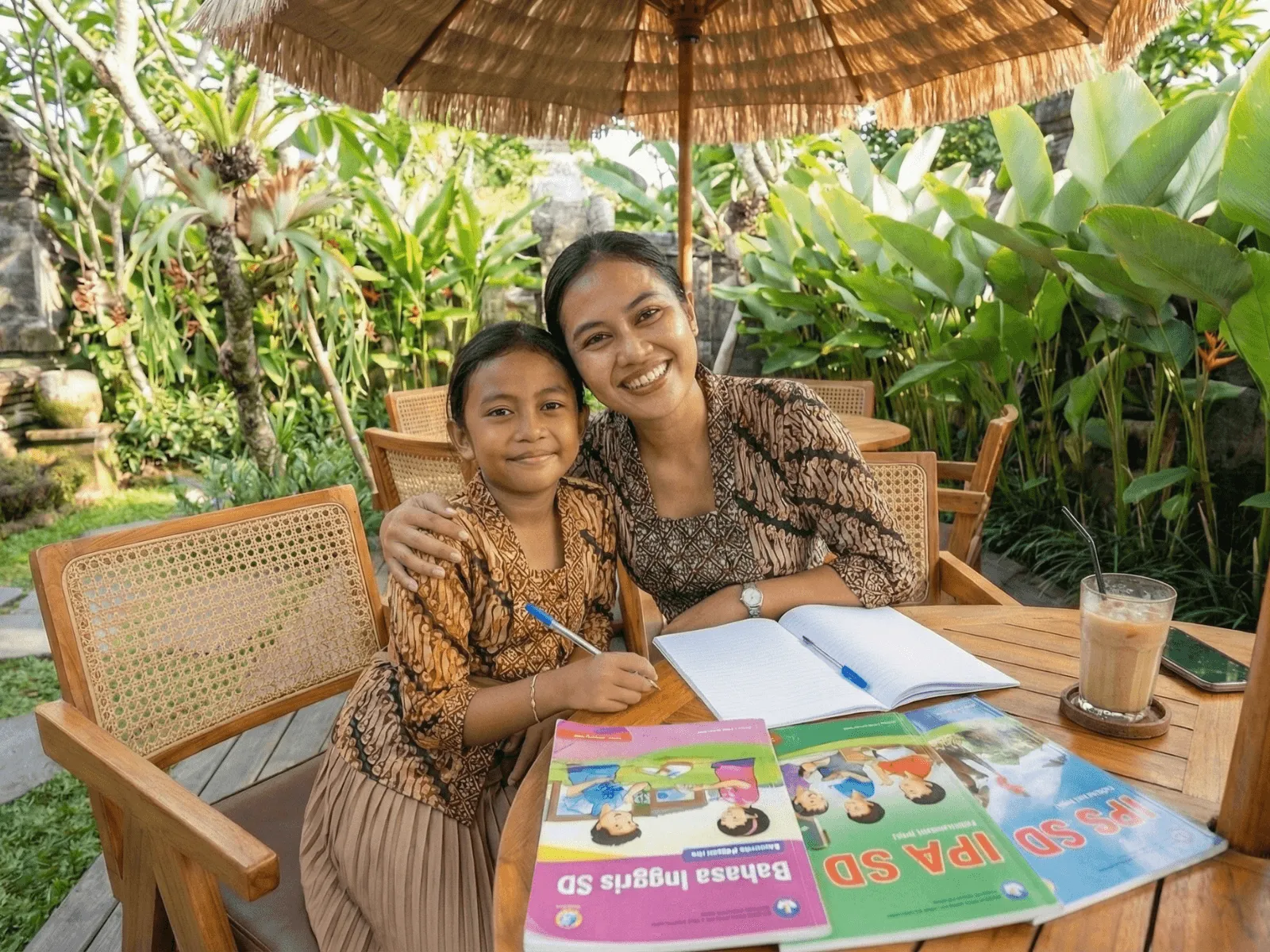
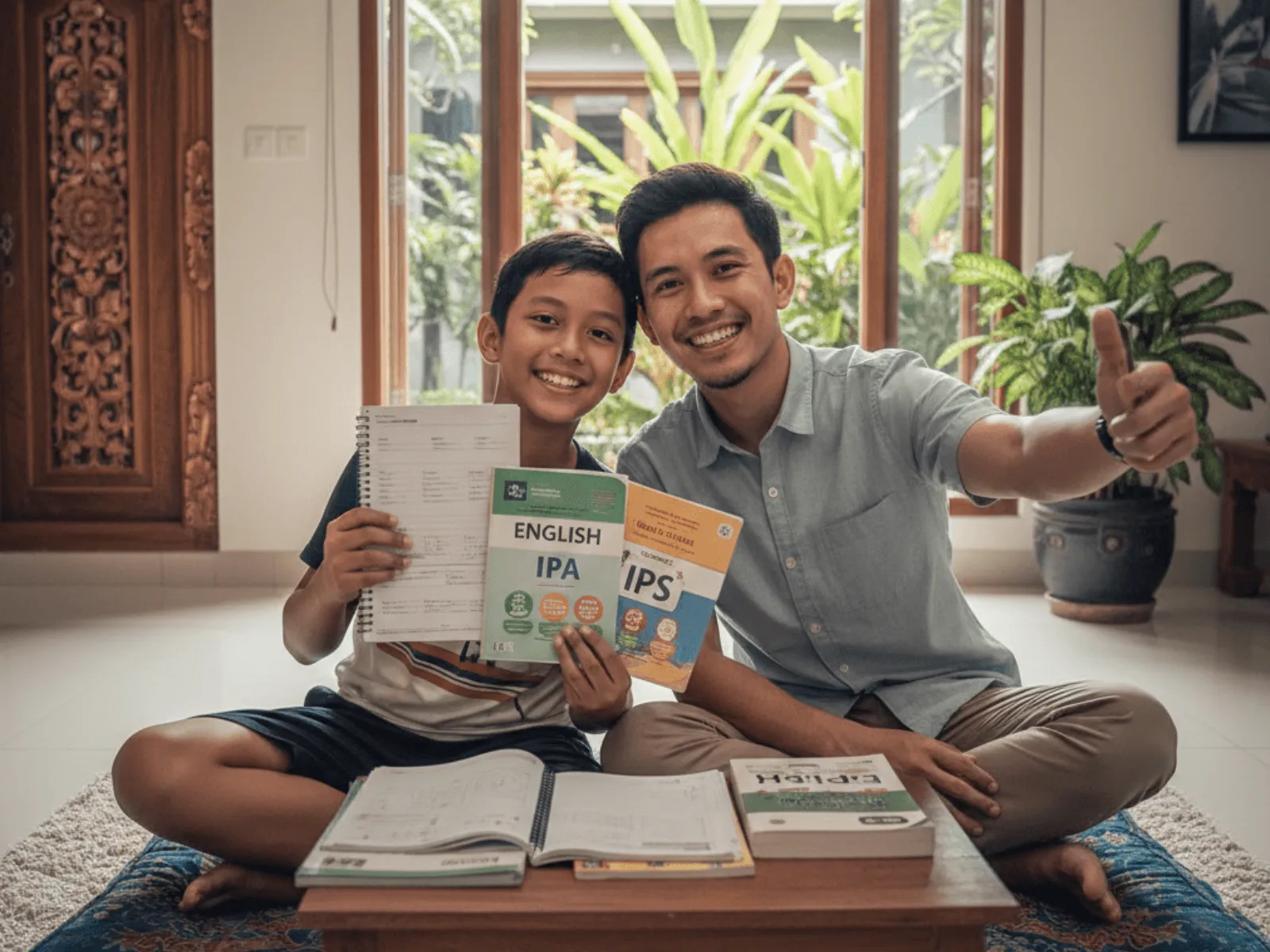
Illustrations of the atmosphere of private lessons for children in Bali. These pictures show primary-school-age children; for preschool children, the materials are letter cards, crayons, and activity books, and more activities happen on the floor.
For Parents
Getting Ready Before the First Session
These small things help kindergarten lessons in your home run more smoothly from the very first meeting.
-
Use the same learning corner every session
A well-lit mat or low table, away from the television and current favorite toys, so your child knows where learning time happens.
-
Prepare basic supplies
Large crayons, pencils, round-tipped children's scissors, play dough, paper, glue, and a few picture storybooks. The tutor can share a list of extra items after the first session.
-
Pick a time outside nap hours
A child who is sleepy or hungry is hard to engage. The hour after an afternoon nap, or a weekend morning, is usually calmer.
-
Stay with your child in the early sessions
Your presence in the first few sessions helps your child feel safe. Once they are used to the tutor, you can be in another room.
-
Tell the tutor about your child's habits and needs
Allergies, particular fears, a pet name, a favorite song, or what sets off a tantrum all help the tutor connect with your child faster.
-
Put devices away during the session
A phone or tablet in sight pulls your child's attention away. Keep them out of reach until the session ends.
-
Note ceremonies and family holidays
Galungan, Kuningan, Nyepi, or a family ceremony in Bali can clash with the schedule. Let the tutor know early so the session can move to another day.
-
Carry on the light activities from the report
Ideas in the tutor's report, such as reading one picture book before bed or counting plates at mealtimes, carry lesson practice into days without a session.
Still unsure how to judge which private lessons suit your child? This guide can help.
Read tips on choosing private lessons for children in Bali (in Indonesian)
Service Area
Areas of Bali Our Kindergarten Tutors Cover
Edupola runs in-person preschool tutoring in Bali across Denpasar, Badung, Gianyar, Sanur, Tabanan, Buleleng, and other areas. For young children, the tutor's distance from your home affects whether an afternoon schedule holds, so your address shapes the tutor search.
If your address in Bali is not yet within reach of an in-person tutor, ask about online lessons for TK B children. For KB and TK A children, in-person sessions are generally the better fit.
Is your area in Bali not listed? Ask about TK tutor availability on WhatsApp.
-
Denpasar
Capital of Bali Province
- Denpasar Barat
- Denpasar Timur
- Denpasar Selatan
- Denpasar Utara
4 Districts
-
Badung
South Badung
- Kuta and Legian
- Seminyak and Kerobokan
- Canggu and Umalas
- Jimbaran and Pecatu
- Nusa Dua and Benoa
10+ Areas
-
Gianyar
Ubud Area
- Ubud
- Batubulan
- Sukawati
- Tegallalang
4 Districts
-
Sanur
East Coast Area
- Sanur Kaja
- Sanur Kauh
- Intaran
- Sanur Beach area
4 Areas
-
Tabanan and Buleleng
North and West Bali
- Tabanan
- Kediri
- Singaraja
- Lovina
4 Areas
-
Online Lessons
All of Indonesia
- Online lessons on Zoom or Google Meet
- Flexible Schedule
- Digital Materials
- Online sessions are recorded
No Location Limits
Online Lessons
When Can Kindergarten Lessons Run Online?
Young children learn through touch and movement, so preschool tutoring in Bali works best in person. Online lessons still work for TK B children who can sit facing a screen for a few minutes, for example while the family is away from Bali or lives where tutors cannot reach yet.
Online sessions run on Zoom or Google Meet and are recorded, so you can replay the songs, movements, or how the tutor shows letter writing with your child. A device with a camera, an internet connection, and paper, crayons, and activity books are prepared by the family. During the session, an adult should sit beside your child to hold materials and keep their attention.
Fees
Preschool Tutoring in Bali: Fees in Detail
The fee components for private preschool tutoring at Edupola. The final fee follows session length, weekly frequency, and location; the admin sends the details before the first session.
| Component | Details |
|---|---|
| Fee per session | From IDR 107,600 per 60-minute session |
| Frequency and schedule | As agreed with you, including Saturdays and Sundays, and can work around your child's nap time |
| Learning supplies | Crayons, pencils, children's scissors, play dough, activity books, and storybooks are bought by the family, separate from the lesson fee |
| Payment | Bank transfer, GoPay, OVO, or DANA, paid per session or as a monthly package |
| Changing tutors | Can be requested at no extra cost during the first 2 weeks of lessons |
Payment goes to Edupola according to the details from the admin.
Testimonials
What Parents of KB and TK Children Say
Stories from parents in Bali whose children joined preschool tutoring in Bali with an Edupola tutor. Quotes are translated from Indonesian, and their names are abbreviated for privacy.
-
★★★★★
My child could not read before, and now reads and counts fluently after lessons at Edupola. The tutor is patient and the method is fun!
Child ready for primary school
Ratna S.
Parent of a TK B child · Verified Parent
-
★★★★★
Amazing! My child used to be shy and now dares to perform and is active at school. The Edupola tutor teaches with great patience and creativity.
Child more active and confident
Sukadana
Parent of a KB child · Verified Parent
-
★★★★★
Lessons at Edupola cover fine motor skills as well as academics. My child now writes and colors more neatly. Highly recommended!
Fine motor skills grew quickly
Dewi L.
Parent of a TK A child · Verified Parent
-
★★★★★
We struggled to get our child to study at home. Since starting private lessons at Edupola, our child is the one who asks to study first! The tutor really knows how to connect with children.
Child eager to learn
Dharma P.
Parent of a preschool child · Verified Parent
-
★★★★★
Thanks to intensive lessons at Edupola, my child passed the entrance test for a favorite primary school in Denpasar! The preparation was thorough and my child became more mentally ready.
Accepted at a favorite primary school
Ayu P.
Parent of a TK B child · Verified Parent
-
★★★★★
The Edupola tutor uses a learning-through-play method. My child, who is only 3, can already recognize the letters A to Z and the numbers 1 to 20. Amazing!
Child knows letters and numbers
Arta W.
Parent of a KB child · Verified Parent
How to Register
How to Register Your Child for Private Kindergarten Lessons
Registration for preschool tutoring in Bali starts with the schedule. The tutor search begins once your child's lesson times are clear.
-
Share Your Child's Age and a Schedule That Works
Send your child's age and level (KB, TK A, or TK B), what you want to strengthen, your address in Bali, and the lesson days and times that do not clash with nap time. Send it on WhatsApp or fill in the registration form; the consultation is free of charge.
-
Our Team Finds an Early Childhood Tutor
Working from the schedule you agreed, the Edupola team finds a tutor who suits your child's age and your home location within 1 to 5 working days.
-
Receive the Fee Details
The admin sends the fee details based on the session length and frequency you agreed, together with the payment account.
-
A First Session with a Parent Nearby
The tutor arrives at the agreed time. In this session the tutor mostly plays to get to know your child, and it helps if you stay close by.
FAQ
Parents' Questions on Preschool Tutoring in Bali
Answers to the questions parents of KB and TK children ask most often. You can send other questions on WhatsApp 0816-4896-919.
How much does TK tutoring at Edupola cost?
Preschool tutoring in Bali at Edupola starts from IDR 107,600 per 60-minute session. The monthly total follows session length, sessions per week, and location; the admin sends the details before the first session. Activity materials, from crayons to activity books, are covered by the family outside the lesson fee.
From what age can my child join?
Edupola accepts children from age 3, the KB or playgroup level, through TK B. For children under 3, consult with us first so we can discuss your child's needs and readiness.
My child cannot sit still yet. Can they still take lessons?
Yes. An early childhood tutor uses activities built on movement, songs, and real objects, in short parts. Sitting for longer is one of the skills practiced step by step during kindergarten lessons.
How long is one kindergarten lesson?
The options are 60, 90, or 120 minutes per session, the same as other programs, and the length is set during the consultation. For young children, the 60-minute session is the most common choice because their attention span is still short; within it, the tutor breaks the activities into short parts.
Do parents need to stay during the lesson?
In the early sessions, having a parent nearby is recommended so your child feels safe with someone new. Once your child is used to the tutor, they can learn one to one while you stay elsewhere in the house.
What happens if my child and the tutor are not a good fit?
For preschool children, feeling comfortable with the tutor matters a great deal. If your child still has not settled during the first 2 weeks, let the admin know on WhatsApp 0816-4896-919, and Edupola finds a different tutor at no extra cost.
Will I get progress reports on my child?
Yes. The tutor gives parents regular progress reports covering the activities done, your child's progress in each area, and ideas for light activities at home for KB and TK children.
How long does it take to find a TK tutor?
The count starts once the lesson schedule is set. From there, the Edupola team needs 1 to 5 working days to find a tutor who lives near your home and suits your child's age, and the admin lets you know on WhatsApp when the tutor is ready.
Can lessons take place on weekends?
Yes. The kindergarten lesson schedule is flexible, including Saturdays and Sundays, and is agreed at the start. Lesson times should not clash with your child's nap or mealtimes.
How do I pay for the lessons?
Edupola accepts bank transfer and e-wallets (GoPay, OVO, DANA). TK lessons can be paid per session or as a monthly package; the payment account is listed in the details the admin sends.
How are private TK lessons different from a school class?
In a TK class, one teacher looks after many children with the same activity. In private lessons, the tutor works only with your child, so pace, material, and teaching style follow your child's readiness. Lessons add to school activities and do not replace them.
Can children with special needs join TK lessons?
Yes, with an individual approach. Tell us about your child's condition and any ongoing therapy during the consultation, so the tutor we find is a good match. Private lessons run alongside the advice of your child's doctor or therapist and do not replace it.
Related Programs
Next Programs for Preschool and Early Primary Children
After the TK foundations, your child can move on to a more focused program, available in Bali and online. Some program pages are in Indonesian.
-
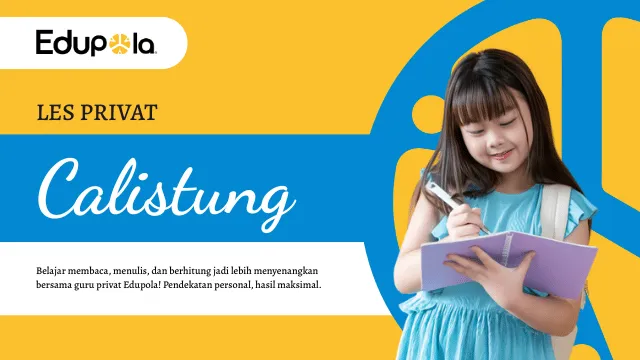
Calistung Lessons in Bali
More focused reading, writing, and arithmetic for TK B children and the early grades of primary school.
-
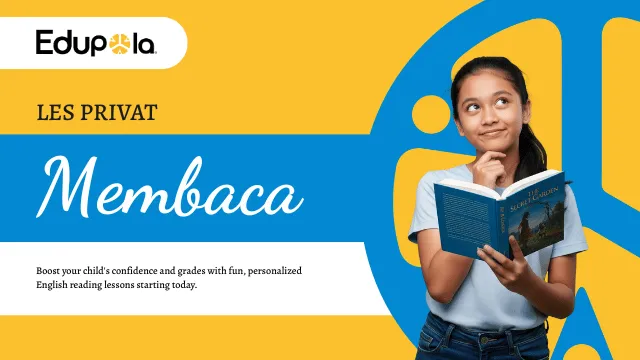
Reading Lessons in Bali
For children who already know their letters and need practice reading fluently and understanding stories.
-
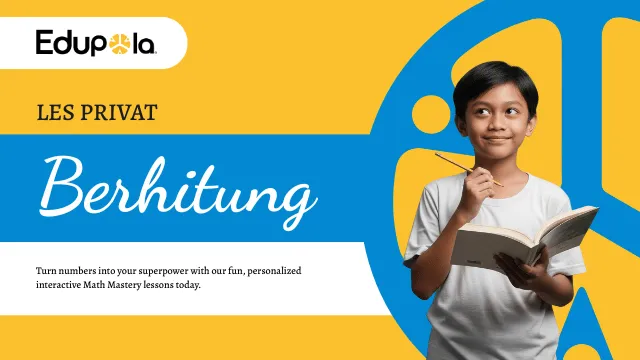
Arithmetic Lessons in Bali
Number concepts, addition, and subtraction with real objects before moving on to written problems.
-

Drawing Lessons in Bali
Drawing and coloring for children who love making things, while training hand control at the same time.
-
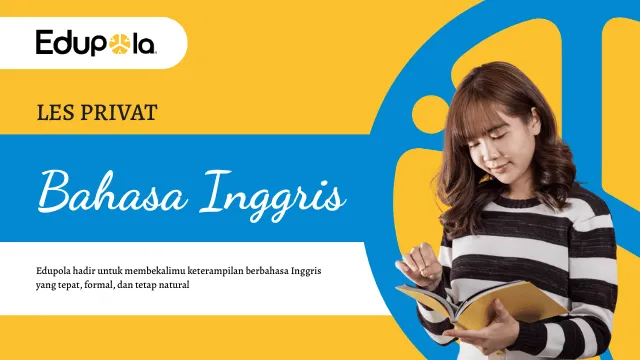
English Lessons in Bali
Basic vocabulary and conversation for children who want to feel braver speaking English.
-
Elementary Tutoring in Bali
Subject support for grades 1 to 6 once your child has started primary school.
Get Started
Start Preschool Tutoring in Bali from Your Child's Schedule
Tell us your child's age, their level in KB or TK, and the times that suit your family. The Edupola team finds an early childhood tutor near your home in Bali.