
Private Numeracy Tutoring in Bali
Numeracy Tutoring in Bali: Understand Before Memorise
Numeracy tutoring in Bali from Edupola pairs one tutor with one child at home. A quick correct answer is reassuring and it can also be memorised. So the first session checks understanding with 6 simple questions before anything is practised for speed. Fees from IDR 120,900 per session.

Rating and fees for numeracy tutoring in Bali
| Programme | Numeracy Tutoring in Bali |
|---|---|
| Provider | Edupola |
| Description | Private numeracy tutoring in Bali for children, one tutor per child. Understanding comes before memorising: quantity with objects, place value, written symbols, then word problems. |
| Fee | Fees start from Rp120,900 per session. |
| Session Length | Sessions run 60, 90, or 120 minutes. |
| Schedule | Flexible, arranged around your child's free hours. |
| Start | Lessons can start any time after registration. |
| Sessions per Month | 4 to 12 sessions per month, as needed. |
| Rating | 4.8 out of 5, based on 145 reviews |
Programme at a Glance
Numeracy Tutoring in Bali and the Memorising That Covers Gaps
Numeracy tutoring in Bali runs one tutor with one learner, at your home, your workplace, or over a screen. Parents arrive with a particular puzzle: a child who answers quickly at home and still comes back with poor marks. The explanation is usually the same and it is not carelessness.
Early sums are few enough to memorise. A child can hold the answers to the common ones and produce them instantly without any idea what they mean, and that holds up perfectly well until the numbers get bigger or the question is phrased differently. Then it collapses all at once, which is why it looks sudden.
So the first session checks understanding instead of speed, using questions a memorised answer cannot pass. The sequence then runs from quantity with objects through place value and written symbols to word problems. Fees start from IDR 120,900 per 60-minute session, with 4 to 28 sessions a month. This programme holds a 4.8 out of 5 rating across 145 learner reviews in Bali.
Six Questions
Six Questions That Separate Memorising From Understanding
Tutors use these in the first session of numeracy tutoring in Bali. They look like conversation and each one is something memorised answers cannot survive.
-
Asked About a Bigger Number
A child who answers 7 and 8 instantly and stalls completely on 17 and 8 has the answers stored and not the method. The gap appears exactly where memory runs out.
-
Asked to Explain the Method
Explaining how you got there needs understanding of the steps. A child who can only repeat the answer is telling you clearly where to start, and no mark on a worksheet shows that.
-
Given the Sum in Reverse
A child comfortable with adding who cannot handle the matching subtraction has learned two unrelated facts instead of one relationship. Reversing the question is the fastest way to see it.
-
Asked to Show It With Objects
Laying out the sum with stones or buttons connects the symbol to the quantity. A child who cannot do that is working with marks on paper that mean nothing yet.
-
Given a Short Word Problem
The same sum wrapped in a sentence requires choosing the operation. Children who can compute and cannot choose are extremely common, and that is a separate skill with its own practice.
-
Asked Which Number Is Larger
Comparing two quantities without counting them out shows whether numbers mean amounts yet. It is the most basic check on this list and the one most often skipped.
Stage Map
Numeracy Stages and the Gate Between Them
Numeracy tutors place a child by what the third column shows. Skip that sign and the next stage produces memorising instead of understanding.
| Stage | What the child does | Sign of readiness to move on |
|---|---|---|
| Quantity | Grouping objects and saying which pile has more | Can say which is more without counting both piles |
| Counting in order | Counting objects one by one, touching each | Counts without skipping or repeating, and stops at the right place |
| Number symbols | Matching a written number to that many objects | Can fetch exactly that many objects when shown the symbol |
| Adding and taking away | Joining and removing objects, then saying the result | Can do it with objects out of sight, using fingers or counting on |
| Place value | Bundling ten objects and treating the bundle as one ten | Can say what the digits in 34 each mean |
| Written arithmetic | Sums on paper with carrying and borrowing | Can explain why a digit was carried as well as where it went |
Learning Path
Numeracy Levels From Age 4 to 8
The starting level for numeracy work is set by the first session's checks, and age is only a rough guide to it.
-
Ages 4 to 5
Quantity Before Symbols
Grouping, comparing, and counting real objects, with written numbers introduced only as labels for amounts the child can already see. Nothing on paper yet, which is the part parents find hardest to accept.
- Grouping objects
- More and fewer
- Numbers as labels
-
Ages 5 to 6
Symbols and Joining
Written numbers matched to quantities, then joining and removing with the objects still present. The objects stay on the table far longer than most worksheets assume.
- Matching symbol to amount
- Joining and removing
- Objects still present
-
Ages 6 to 7
Place Value and Larger Numbers
Bundling tens, reading two-digit numbers as tens and ones, and adding across ten. This stage is where memorised answers usually stop working, and where many children arrive here from.
- Bundles of ten
- Tens and ones
- Crossing ten
-
Ages 7 to 8
Written Arithmetic and Word Problems
Carrying and borrowing explained instead of copied, and short word problems where the operation has to be chosen. Speed practice starts here, on top of understanding and never instead of it.
- Carrying explained
- Choosing the operation
- Speed last
Who It Is For
Children Who Take Numeracy Lessons in Bali
Sessions hold a single learner, so the pace follows this child's own checks.
-
Children Who Answer Fast Then Stall
Children in Bali who are quick on small sums and stuck on larger ones. The six checks usually locate the exact stage within one session.
-
Children Not Yet at School
Children in Bali preparing for primary school. Quantity and comparison come first, and written sums wait until symbols mean amounts.
-
Children Afraid of Numbers
Children in Bali who have decided they are bad at maths. The early sessions work entirely with objects and games, because confidence has to come back before method.
-
Children Still Counting on Fingers
Children in Bali using fingers past the age their classmates stopped. Fingers are a tool and not a fault, and what gets added is a second strategy alongside them.
-
Children Stuck on Word Problems
Children in Bali who compute accurately and cannot tell which operation a sentence asks for. Reading and choosing are trained as separate steps from calculating.
-
Children Working Ahead
Children in Bali already past the material for their school year. Sessions go wider instead of faster, with puzzles and reasoning instead of the next textbook.
One Session
Inside a 60-Minute Numeracy Session
This division suits a child of 4 to 8 because it moves, and because objects come before symbols every time.
-
5 minutes
An Opening Game
A short counting or comparing game with nothing at stake, which settles the child and shows the tutor what state they are in today.
-
15 minutes
Objects First, Symbols After
Today's idea is built with real objects in the child's hands before it appears as a written sum. The order is never reversed, even when the child seems ready.
-
20 minutes
Working It Alone
The child does the same work without the tutor leading, which is where it becomes visible whether the idea landed or the tutor's prompting was carrying it.
-
15 minutes
One Word Problem
A single short problem in a sentence, read together, with the child choosing the operation. One per session, because choosing is the demanding part.
-
5 minutes
A Closing Game, Then Two Lines Home
A game to finish on something the child enjoys. Then two lines to the parent: what was covered, and the one short activity for home.
A 60-minute session suits most children in the 4 to 8 band. For the youngest, the hour often works better split across 2 meetings in the week, and the tutor says when.
Prepared by the Family
Counting Objects to Have at Home
The admin confirms these once the schedule for numeracy tutoring in Bali is agreed. Counting objects, number cards, and paper are prepared by the learner and not included in the fee.
-
Small Objects That Match Each Other
Forty or fifty identical items from around your house in Bali: buttons, bottle caps, dried beans, small stones. They have to match, because a pile of different objects invites a child to sort instead of count.
-
Containers for Grouping
Small bowls or cups for making groups of ten. Place value is taught by bundling, and a child who physically makes a ten understands the digit in a way a diagram does not teach.
-
Number Cards
Written numbers on cards, from 1 to 20 at least. Matching a card to a pile is the bridge between quantity and symbol, and it is used in almost every early session.
-
A Small Whiteboard
Something that wipes clean. Children who are nervous about numbers write more freely when a mistake disappears without a trace, and that matters more than it sounds.
-
A Table at the Child's Height
Feet on the floor, forearms on the table. A child reaching up to an adult table tires quickly, and tiredness reads as not understanding.
If you have none of this ready, say so during the consultation. The tutor brings objects to the first session and advises what to gather from around your house afterwards.
Fingers
Fingers as a Tool and When to Add Another One
Parents ask whether a child should be stopped from counting on their fingers, and numeracy tutoring in Bali answers no. Fingers are a counting tool, they are always available, and taking them away does not produce understanding. It produces a child who counts in their head slower and hides it.
The useful question is a different one: does the child have another strategy available? A child who only has fingers is limited by how many they have, so sums past ten become awkward and sums past twenty become impossible. What the programme adds is a second route, usually counting on from the larger number or using known pairs that make ten.
When both are available the fingers fall away on their own, because the second strategy is faster and children prefer fast. That happens over weeks, without anyone being told to stop. Tutors do mention one thing to parents: a child corrected for using fingers tends to stop volunteering answers at all, and that costs far more than the fingers ever did.
What Parents Say
Stories From Numeracy Families in Bali
The quotes below come from learners in Bali who completed the numeracy programme at Edupola, with their situation and what changed.
-
★★★★★
Gede found numbers above 10 difficult at first. After 8 sessions at Edupola working with objects he counts to 100 fluently and loves the number games.
Counting fluently from 1 to 100
Ayu K.
Mother of a 5-year-old · Verified parent
-
★★★★★
As a kindergarten teacher I know how much the numeracy foundation matters. The Edupola method fits how children of this age actually develop: it does not push, and it works. I recommend it often.
Recommends Edupola to parents at her school
Wijaya
Kindergarten teacher in Denpasar · Verified parent
-
★★★★★
Home schooling two children at once is demanding. Edupola helped with a structured numeracy sequence and a tutor who comes to the house. Both my children are doing well now.
A structured numeracy sequence for home schooling
Ratna S.
Home-schooling mother of 2 · Verified parent
-
★★★★★
Kadek was afraid of maths because he kept getting sums wrong. After 3 months of numeracy lessons at Edupola he actually likes it now, and his test marks have risen a long way.
Maths marks up from 60 to 85
Sutama
Father of a child who struggled with maths · Verified parent
-
★★★★★
Putu starts primary school soon and I was worried he was not ready. The numeracy lessons at Edupola genuinely helped. He can add and subtract now and has even started on larger numbers.
Starting primary school with confidence
Ayu L.
Mother of a senior kindergarten pupil · Verified parent
-
★★★★★
Wayan was behind his classmates with numbers at first. His tutor at Edupola was very patient teaching from the basics in a way he enjoyed. Within 2 months he could follow the lessons at school.
Caught up with his classmates
Dwi M.
Father of a first-year pupil · Verified parent
Word Problems
The Difficulties That Stack Up in Word Problems
Word problems defeat children who can calculate perfectly well, and numeracy tutoring in Bali treats that as a stacking problem instead of a maths problem. Four separate things have to happen: read the sentence, work out what is being asked, choose the operation, then calculate. A failure at any one of them produces a wrong answer that looks like a numeracy failure.
In practice the third step is where most children stop. Nothing in the sentence says add or subtract; the words have to be turned into a relationship, and words like altogether, left, each, and shared carry that work. Those words are taught explicitly, and children collect them as signals instead of guessing from the numbers present.
The method is to separate the steps on purpose. The child reads the problem and says what is being asked without calculating anything, then draws or lays out the situation with objects, and only then does the sum. Parents sometimes see the drawing step as a detour. It is where the choosing happens, and once it is secure most children drop it by themselves.
How to Register
Four Steps From Naming Where Your Child Stalls
The opening consultation carries no fee. The admin asks your child's age and where the numbers start to go wrong.
-
Name the Stage Where It Stalls
Where the difficulty starts: numbers above ten, carrying, word problems, or speed. Describing one specific moment helps more than a general worry does.
-
Agree the Schedule Around That Hour
The alert hour comes first, and it is narrow at 4 to 8. Days, times, session length, and the monthly count are set around it with the admin.
-
Matching the Tutor
Experience in the 4 to 8 band is part of the match, and so is a short trip to your location in Bali. That search runs 1 to 5 working days.
-
The Check in the First Session
The six questions are put to your child through games, the stage is identified, and you agree one home activity.
Need help? Contact our admin on WhatsApp for a free consultation.
Documentation
Numeracy Lessons With Edupola in Bali
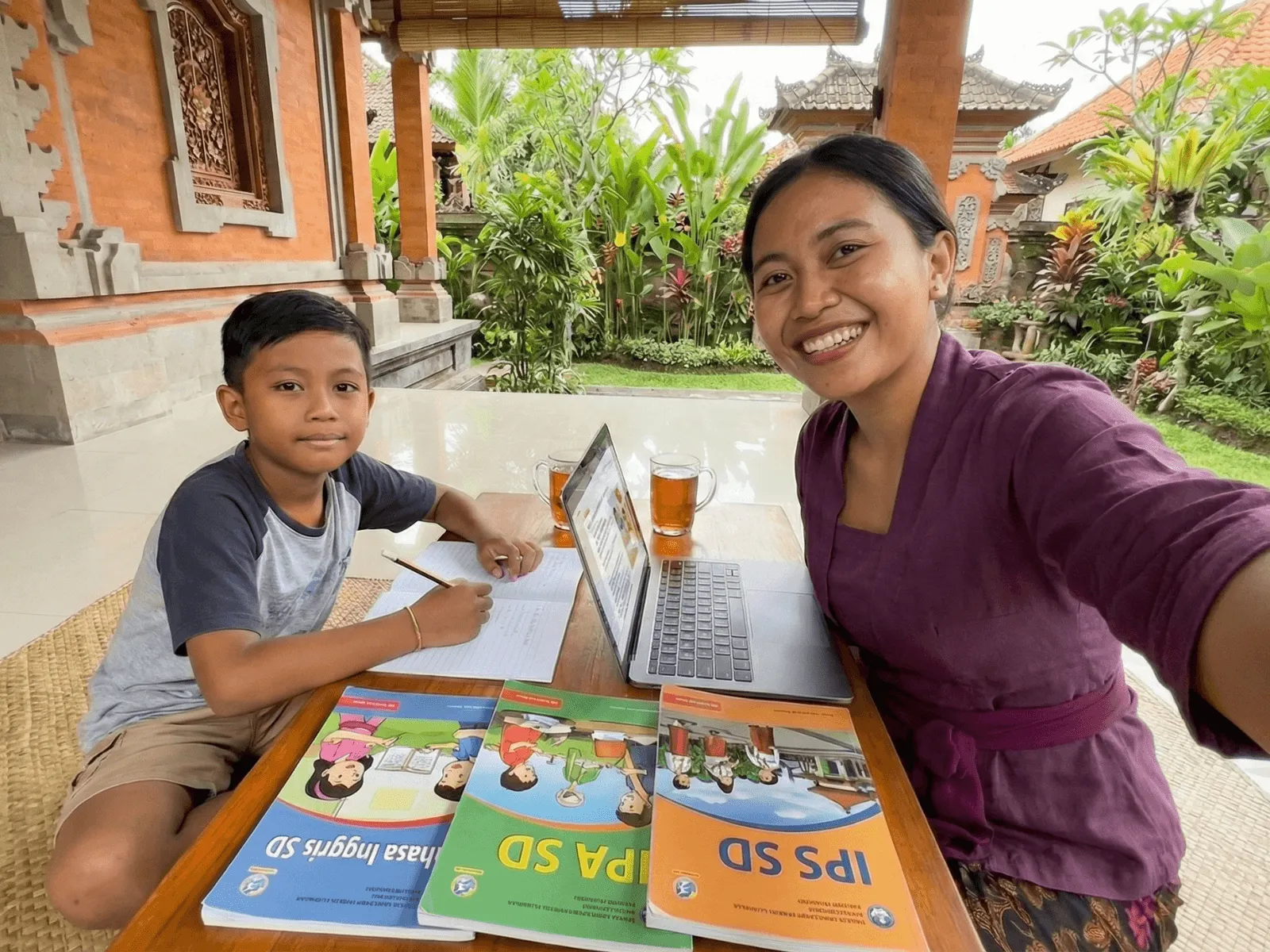
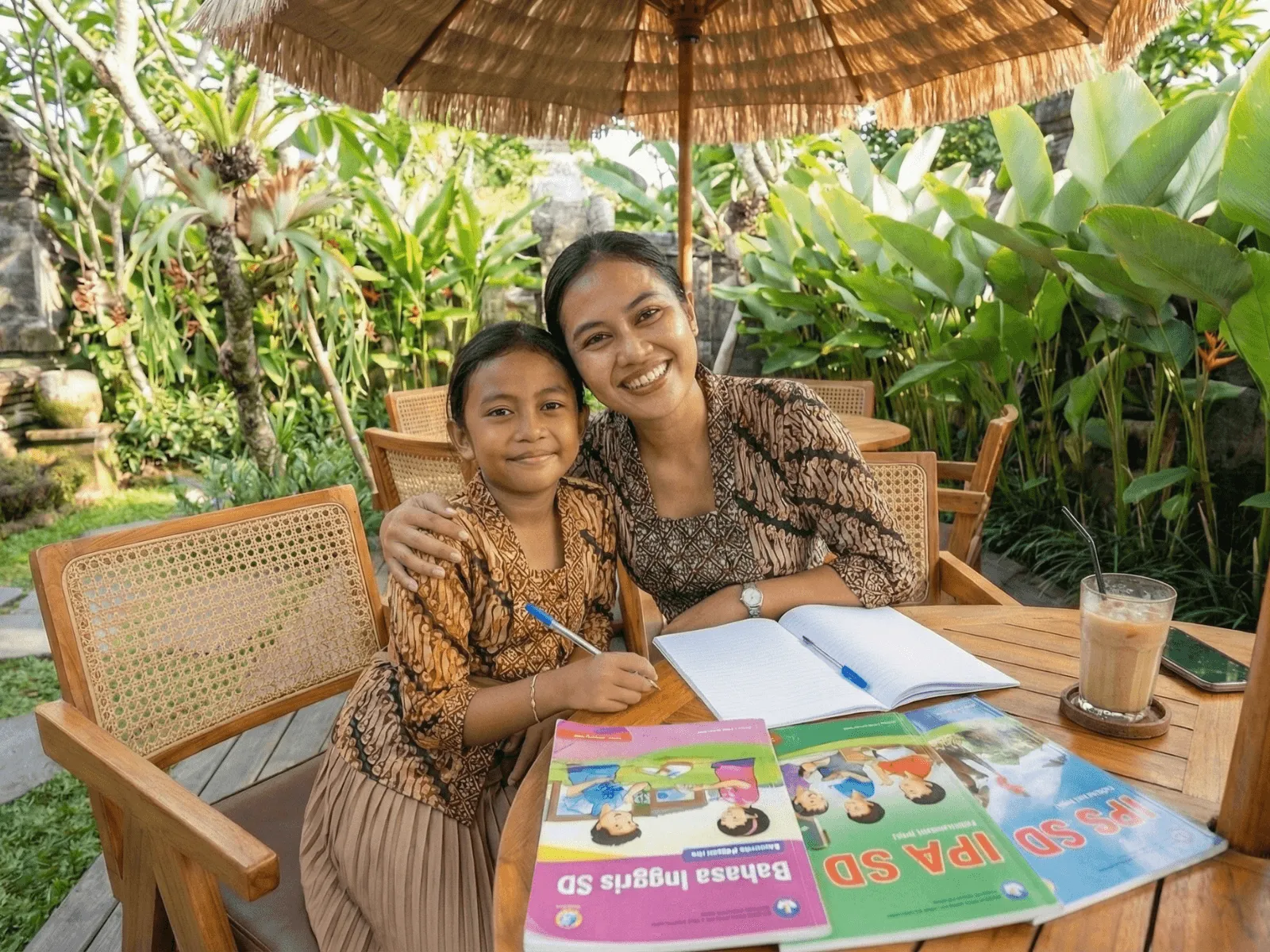
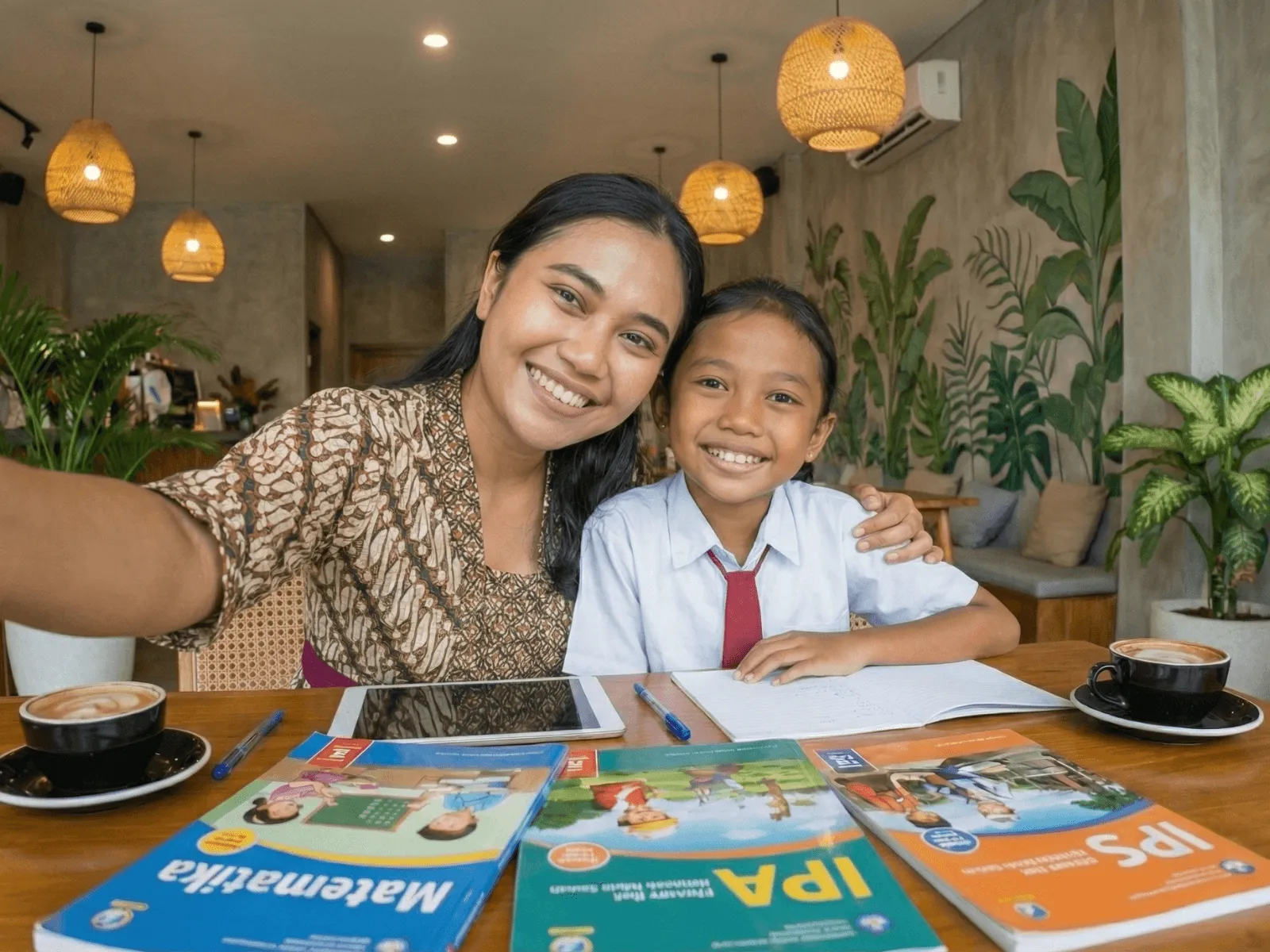
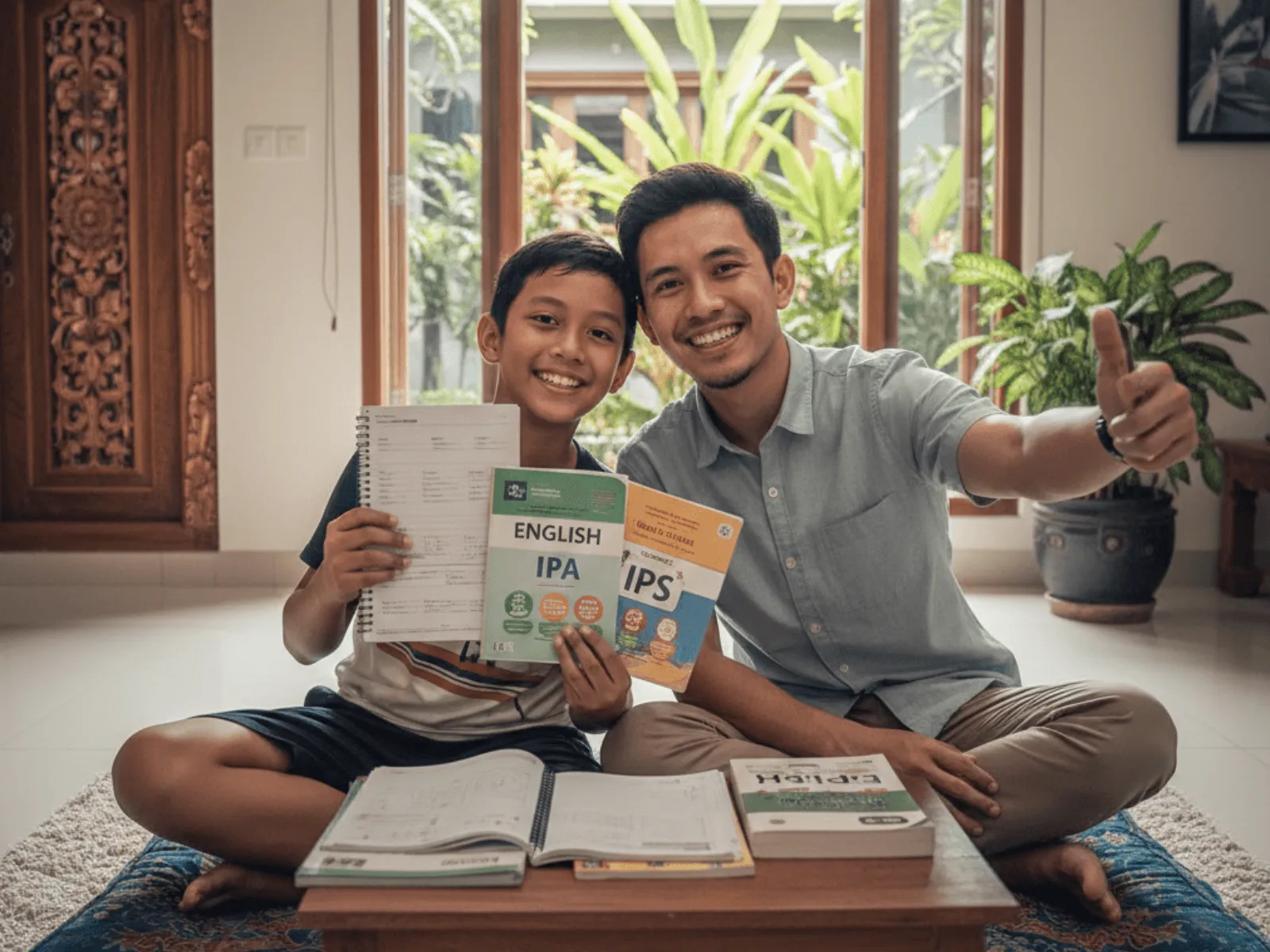
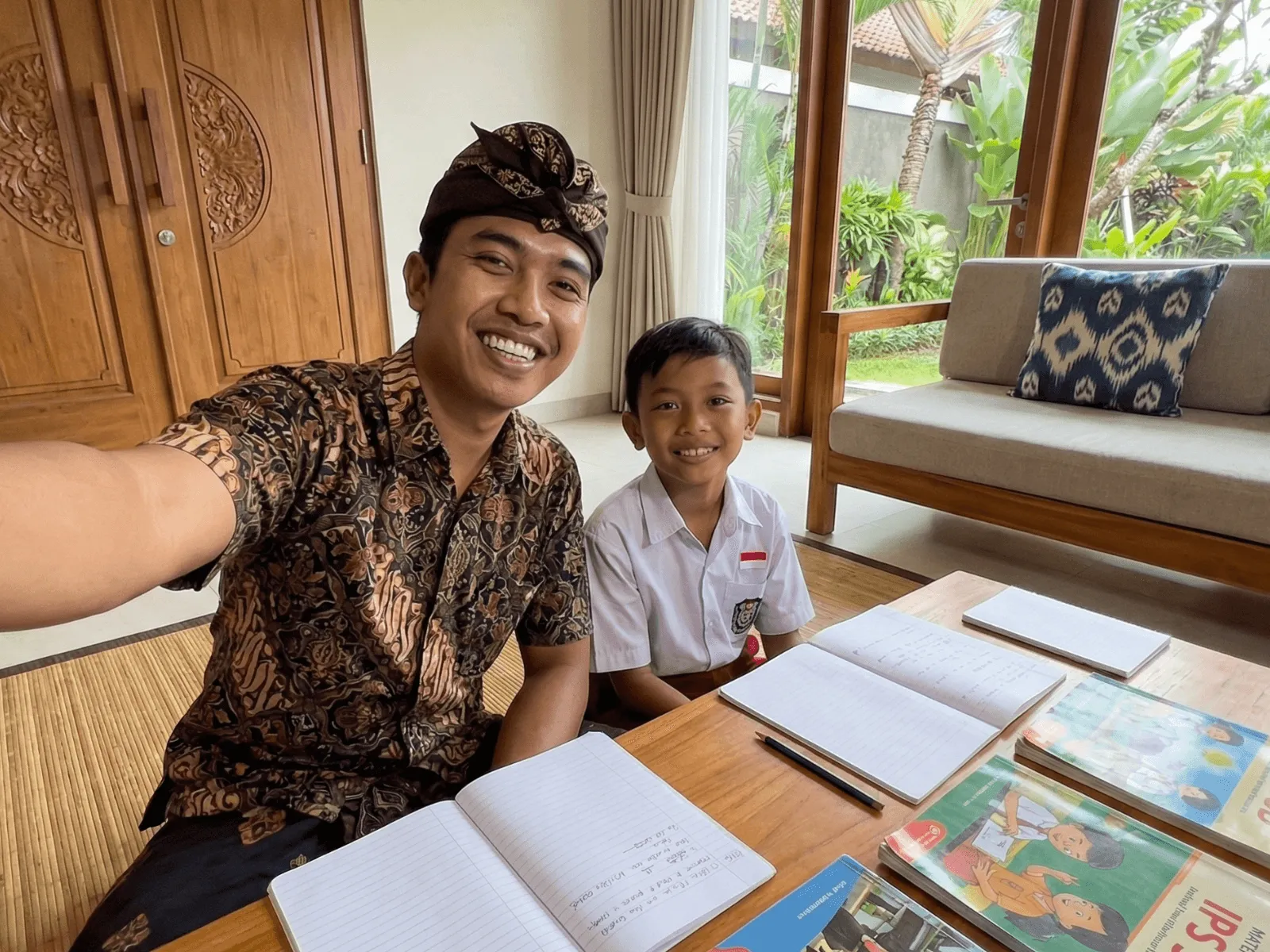
The photographs below were taken during numeracy tutoring in Bali sessions with learners on the island.
Service Area
Where Edupola Numeracy Tutors Travel in Bali
Tutors for numeracy tutoring in Bali travel to the location you choose, from Denpasar, Badung, and Gianyar through to Tabanan, Buleleng, Klungkung, Bangli, Karangasem, and Jembrana. Sessions are at the family home almost always, which suits this subject because the objects used for counting come from that house.
There is a reason beyond convenience. A child who counts their own buttons and their own bottle caps is working with quantities they recognise, and the same objects stay available for the short home activity between sessions. Objects brought in and taken away again leave nothing behind to practise with.
The Edupola office is not used as a lesson venue. Where no tutor is available near you, sessions run online. At 4 to 8 the online route carries real conditions, which the next section lists. Ask the admin about tutor coverage at your location in Bali.
Online Sessions
Online Sessions in Bali and the Conditions for This Age
Online sessions for numeracy tutoring in Bali run over Zoom or Google Meet, and at 4 to 8 two conditions apply. The objects have to be on the child's own table, prepared before the session, and an adult has to be nearby for the first few minutes.
With those in place more transfers than parents expect. The tutor can direct the grouping, see the piles through the camera, and watch the child's hands, which is most of what the early stages need. Number cards and whiteboards work equally well at either end of a connection.
What shortens is attention. Online sessions for young children run around 30 to 40 minutes of real work, so families outside tutor coverage usually book shorter sessions more often. Fees for online sessions match face-to-face sessions.
Frequently Asked
Questions From Parents About Numeracy Lessons in Bali
What does private numeracy tutoring in Bali cost?
Fees start from IDR 120,900 for a 60-minute session, the shortest option. Sessions of 90 and 120 minutes are available with the fee following the length. The final fee follows session length and the number of sessions per month, between 4 and 28. The admin sends the breakdown in writing before the first payment. Counting objects, number cards, and paper are prepared by the learner and not included in the fee.
My child answers quickly but the marks are poor. Why?
Because early sums are few enough to memorise, and memorised answers come out fast. The answers hold up until the numbers get larger or the question is phrased differently, then they stop working all at once. The first session puts six questions that memorised answers cannot pass, including the same sum reversed and the same sum shown with objects.
Should my child stop counting on their fingers?
No, in Bali as anywhere. Fingers are a tool, they are always available, and removing them produces a child who counts in their head more slowly and hides it. The useful question is whether a second strategy exists alongside them, such as counting on from the larger number or using pairs that make ten. Once it does, the fingers fall away on their own.
At what age should a child start numeracy lessons?
There is no single age in Bali or anywhere, which is why the first session checks readiness. A birth date decides nothing here. Children from about 4 benefit from grouping and comparing objects, with nothing written at all. Children arriving at 7 or 8 usually come because place value or word problems have stalled, and they start from whichever of those checks fails.
My child can calculate but always gets word problems wrong.
That is a stacking problem and it is very common. Four things have to happen: read the sentence, work out what is asked, choose the operation, then calculate. Most children stop at the third. Words like altogether, left, each, and shared are taught explicitly as signals, and the steps are separated on purpose so the choosing happens before any arithmetic.
How is a numeracy tutor matched to a child?
The consultation settles days, times, session length, and sessions per month first. After that the Edupola team looks for a tutor who has taught the 4 to 8 band and who is based close to your location in Bali; that search runs 1 to 5 working days. If the first 2 weeks feel like a poor fit, a replacement is arranged at no extra cost.
Related Programmes
Other Programmes for Areas That Also Hold Things Back
Families taking numeracy tutoring in Bali often add one other programme, usually because reading or writing is part of what is slowing the maths down.
-

Calistung Tutoring in Bali
Taken by younger children who need reading and writing alongside the counting.
-

Reading Tutoring in Bali
Chosen when word problems are failing because the sentence itself is the obstacle.
-
Finger Arithmetic Tutoring in Bali
Often asked about by families who want a faster method once understanding is secure.
Get Started
Start By Having the Understanding Checked
Tell us your child's age, where the numbers start to go wrong, and when in the day they think most clearly. A tutor in Bali is matched within 1 to 5 working days.