Private Basa Bali Tutoring in Bali
Balinese Language Tutoring in Bali: Who You Address Changes It
Balinese language tutoring in Bali from Edupola pairs one tutor with one learner at a place you choose. One decision comes before any vocabulary. The form of the language shifts with the person in front of you, so session 1 maps the 3 or 4 people you speak to. Fees from IDR 120,900 per session.

Rating and fees for Balinese language tutoring in Bali
| Programme | Balinese Language Tutoring in Bali |
|---|---|
| Provider | Edupola |
| Description | Private Balinese language tutoring in Bali, one tutor per learner. The work covers the speech levels, vocabulary pairs, conversation with real interlocutors, and the Balinese script. |
| Fee | Fees start from Rp120,900 per session. |
| Session Length | Sessions run 60, 90, or 120 minutes. |
| Schedule | Flexible, shaped around the learner's needs. |
| Start | Lessons begin once the tutor and materials are ready. |
| Sessions per Month | 4 to 28 sessions per month, as needed. |
| Rating | 4.9 out of 5, based on 108 reviews |
Programme at a Glance
Balinese Language Tutoring in Bali and the First Decision
Balinese language tutoring in Bali runs one tutor with one learner, at your home, your workplace, or over a screen. Before any vocabulary is learned, one question has to be answered, and it is not the usual question about level. It is who you intend to speak to.
Basa Bali carries speech levels, which means the same thing is said differently depending on who is listening. Addressing a priest, an elderly neighbour, a market trader, and a child are four different jobs with four different words for the same idea. A learner who memorises one set and uses it everywhere will be understood, and will also sound wrong in a way nobody corrects aloud.
So the first session maps your own circle: who you greet, who you ask for help, who you see at ceremonies. The work covers the speech levels, vocabulary pairs, long conversation, and the Balinese script for learners who need it. Fees start from IDR 120,900 per 60-minute session, with 4 to 28 sessions a month. This programme holds a 4.9 out of 5 rating across 108 learner reviews in Bali.
Speech Levels
Six Things to Know About the Levels of Basa Bali
These are worked through in the early sessions of Balinese language tutoring in Bali, using the people a learner actually meets.
-
The Listener Chooses the Form
The level is not chosen by how polite you feel. It follows the person you are addressing and your relationship to them, which is why a vocabulary list learned without that context cannot be used safely.
-
Basa Alus for Those You Honour
The refined form, used with priests, elders, and people of standing at ceremonies. Learners who attend temple events need this early, even while their everyday speech is still basic.
-
Basa Madya as the Middle Road
A middle form that works with someone you have just met and cannot place. For most newcomers this is the safest starting point, and it is where the programme begins for expatriate learners.
-
Basa Ketah in Daily Talk
The everyday form, used with family, close friends, and people your own age. Learners who grew up hearing it usually have this already and come for the refined form instead.
-
Pronouns Shift Too
The words for you and I change with the level, and getting the vocabulary right while keeping the wrong pronoun undoes the effort. The pairs are drilled together for that reason.
-
Mistakes That Do Not Sound Wrong
Using a familiar form with someone senior rarely produces a correction. It produces a small distance instead, which is why a tutor who corrects openly is worth more than months of guessing.
Interlocutor Map
Who You Are Speaking To and the Form That Fits
Balinese language tutors use this to order a learner's material. The third column names the mistake that comes up most in that situation.
| The situation | The form used | The mistake that comes up |
|---|---|---|
| Greeting an elderly neighbour | Refined, with matching pronouns | Everyday vocabulary with a polite tone, which does not compensate |
| A ceremony at the temple | Refined, with set phrases | Translating Indonesian sentences word for word, which sounds borrowed |
| Talking with someone your own age | Everyday, relaxed | Over-refined speech, which creates distance instead of respect |
| Buying at the market | Middle, friendly | Switching to Indonesian at the first difficulty, so the practice never happens |
| Speaking to a child | Everyday, simple | Using refined forms a child does not know, so the child answers in Indonesian |
| Meeting someone for the first time | Middle, then adjusted | Choosing a level by guesswork before anything is known about the person |
Learning Path
The Order of Material From Speech to Script
The starting stage is set by the people in a learner's own Basa Bali circle, and never by how long they have lived on the island.
-
Stage 1
The Middle Form and First Meetings
Greetings, introductions, and simple requests in the middle form, which carries a learner through a first meeting with anyone. Pronunciation is corrected from the first session, since habits set quickly.
- Greetings and introductions
- Simple requests
- Pronunciation from day one
-
Stage 2
The Refined Form and Vocabulary Pairs
The refined form learned as pairs against the everyday word already known, so each idea is held in two registers. This is the stage where learners who attend ceremonies make the most visible progress.
- Words learned in pairs
- Matching pronouns
- Ceremony phrases
-
Stage 3
Long Conversation and Mixed Forms
Real conversation, where the level shifts mid-exchange because another person joins. Handling that shift is the skill that separates a learner who can recite from one who can take part.
- Shifting mid-conversation
- Listening to real speech
- Recovering from mistakes
-
Stage 4
The Balinese Script and Older Texts
The script, read first and written afterwards, for learners who want temple inscriptions or palm-leaf manuscripts. Taken after the spoken language works, never instead of it.
- Reading the script
- Writing the script
- Older texts
Who It Is For
Learners Who Take Basa Bali Lessons in Bali
Sessions hold a single learner, so what gets taught follows the circle of people that learner actually speaks to.
-
Newcomers Living in Bali
Learners who have settled on the island and want to speak with their neighbours. The middle form comes first, since it covers almost every daily encounter.
-
Balinese Raised in Indonesian
Learners who understand the language but answer in Indonesian. The work targets producing speech, with the refined form usually the real gap.
-
Learners Facing Customary Duties
Learners who have to speak at banjar meetings or family ceremonies. Set phrases and the refined form are prioritised against a known date.
-
Researchers and Translators
Learners working with manuscripts or fieldwork recordings. The script and older vocabulary carry the weight, with spoken practice kept alongside it.
-
Teachers and Trainee Teachers
Learners asked to teach the language at school. Sessions cover both the material and how to present the levels to children.
-
Staff Serving Local Guests
Learners whose customers are Balinese families. Greetings and service vocabulary in the refined form are the first and most useful material.
One Session
Inside a 60-Minute Basa Bali Lesson
This is the division used once a learner is speaking in sentences. The recording at the start is what makes pronunciation progress visible.
-
10 minutes
Listening to Your Own Recording
A short recording the learner made since the last session is played back. Hearing yourself is uncomfortable and it is also the fastest route to correcting a vowel.
-
15 minutes
Today's Vocabulary Pairs
New words are introduced in pairs, the everyday form beside the refined one, and used in a sentence immediately instead of written in a list.
-
20 minutes
Conversation With the Roles Swapped
A real situation is acted out, then acted again with the roles exchanged, so the learner practises both addressing an elder and being addressed as one.
-
10 minutes
Writing One Sentence in Script
For learners taking the script, one sentence is written by hand each session. Little and often works better here than a long session once a month.
-
5 minutes
Setting the Next Encounter
One real conversation to attempt before the next session, with a specific person and a specific phrase to use.
In a 90 or 120 minute session, a longer conversation runs with the tutor playing several different listeners in turn, which is what learners preparing for a ceremony usually choose.
Prepared by the Learner
What to Have Ready Before the First Session
The admin confirms these once the schedule for Balinese language tutoring in Bali is agreed. A notebook and any reading material are prepared by the learner and not included in the fee.
-
A List of Your Listeners
The people you actually speak to, with their rough ages and your relationship to them. This list decides which level you learn first, and it is the most useful thing you can bring.
-
One Encounter That Felt Difficult
A conversation that went badly or that you avoided. That single situation is often rehearsed in the first session, because it is specific and it matters to you.
-
A Simple Recording Device
Your phone is enough. Short recordings between sessions are how pronunciation gets corrected, since describing a sound in writing does not work.
-
A Lined Notebook
Written by hand, not typed. Vocabulary pairs stay in memory better when written, and the script requires handwriting from the beginning.
-
Material You Want to Read
If there is a text you are aiming at, bring it: an inscription, a manuscript photograph, or a prayer. The script stage then works on something you care about.
If you cannot yet name your listeners, say so during the consultation. The first session starts from the middle form, which carries almost any first meeting.
The Script
The Balinese Script Comes After the Spoken Language Works
Many learners arrive at Balinese language tutoring in Bali asking for the script first, usually because it is visibly beautiful and because it appears on temple inscriptions. The programme delays it on purpose, and the reason is practical. The script writes sounds, so a learner who cannot yet hear the difference between two vowels will copy shapes without reading anything.
Once the spoken language is working, the script becomes much faster to learn. The learner already knows the words, so reading becomes recognition instead of decoding, and the characters attach to things they can already say. Learners who do it in this order usually read simple inscriptions within a few months of starting the script stage.
There is an exception, and it is handled openly. Researchers working with palm-leaf manuscripts often need reading ability before conversational fluency, and for them the order is reversed with the spoken work running alongside. That is agreed during the consultation, because it changes which tutor suits the learner.
Listening
Listening in Real Places Beats Memorising Lists
Balinese language tutoring in Bali leans on listening in real situations far more than on vocabulary lists, and the reason is in how the language is actually used. Speech levels mix in ordinary conversation. A neighbour speaking to you may shift form mid-sentence when their mother walks past, and no list prepares a learner for that.
What does prepare them is hearing it often, with someone available to explain afterwards. Learners are asked to spend time where the language is being spoken without them: a market, a banjar meeting, a family kitchen. Nothing is expected of them there except attention, and the questions they bring back are the material for the next session.
The second half of the method is deliberately low: one real conversation between sessions, with one specific person. Not a performance, just a greeting and a question. Learners who attempt one encounter a week progress faster than learners who study three hours a week and speak to nobody, and the gap between the two groups is wide enough that tutors raise it in the first session.
What Learners Say
Stories From Balinese Language Learners in Bali
The quotes below come from learners in Bali who completed the Basa Bali programme at Edupola, with their situation and what changed.
-
★★★★★
I had lived in Bali for 3 years and only started speaking Balinese after lessons at Edupola. I can talk with my neighbours now and they really appreciate it.
Conversational in 4 months
Sarah J.
Expatriate from Australia · Verified learner
-
★★★★★
I felt awkward being Balinese and not speaking the language. I am fluent now and can read the Balinese script at the temple. Thank you Edupola!
Reads the Balinese script
Gede
Young Balinese learner · Verified learner
-
★★★★★
Balinese lessons have helped my research into old palm-leaf manuscripts a great deal. My tutor understands classical Balinese literature well.
Manuscript research done
Dr. Hiroshi
Japanese culture researcher · Verified learner
-
★★★★★
I teach conversation and was asked to take the Balinese classes. Lessons at Edupola helped me with both the material and how to teach it.
Teaching Balinese now
Ayu P.
Senior secondary school teacher · Verified learner
How to Register
Four Steps to the First Session
The opening consultation carries no fee. The admin asks who you speak with day to day, and whether you are aiming at reading Basa Bali in its own script.
-
Name Your Listeners and Your Goal
Say who you want to speak with and why: neighbours, family, a ceremony, or a manuscript. That answer decides which level comes first.
-
Agree the Schedule
Days, times, session length, and sessions per month are agreed with the admin, following the hours you can give to listening practice between sessions.
-
Matching the Tutor
The team looks for a tutor whose travel to your location in Bali stays short, and that search runs 1 to 5 working days. Learners aiming at manuscripts are matched with a tutor who reads the script.
-
The First Session
Your listeners are mapped, your pronunciation is heard, and one difficult encounter is rehearsed.
Need help? Contact our admin on WhatsApp for a free consultation.
Documentation
Balinese Language Lessons With Edupola in Bali
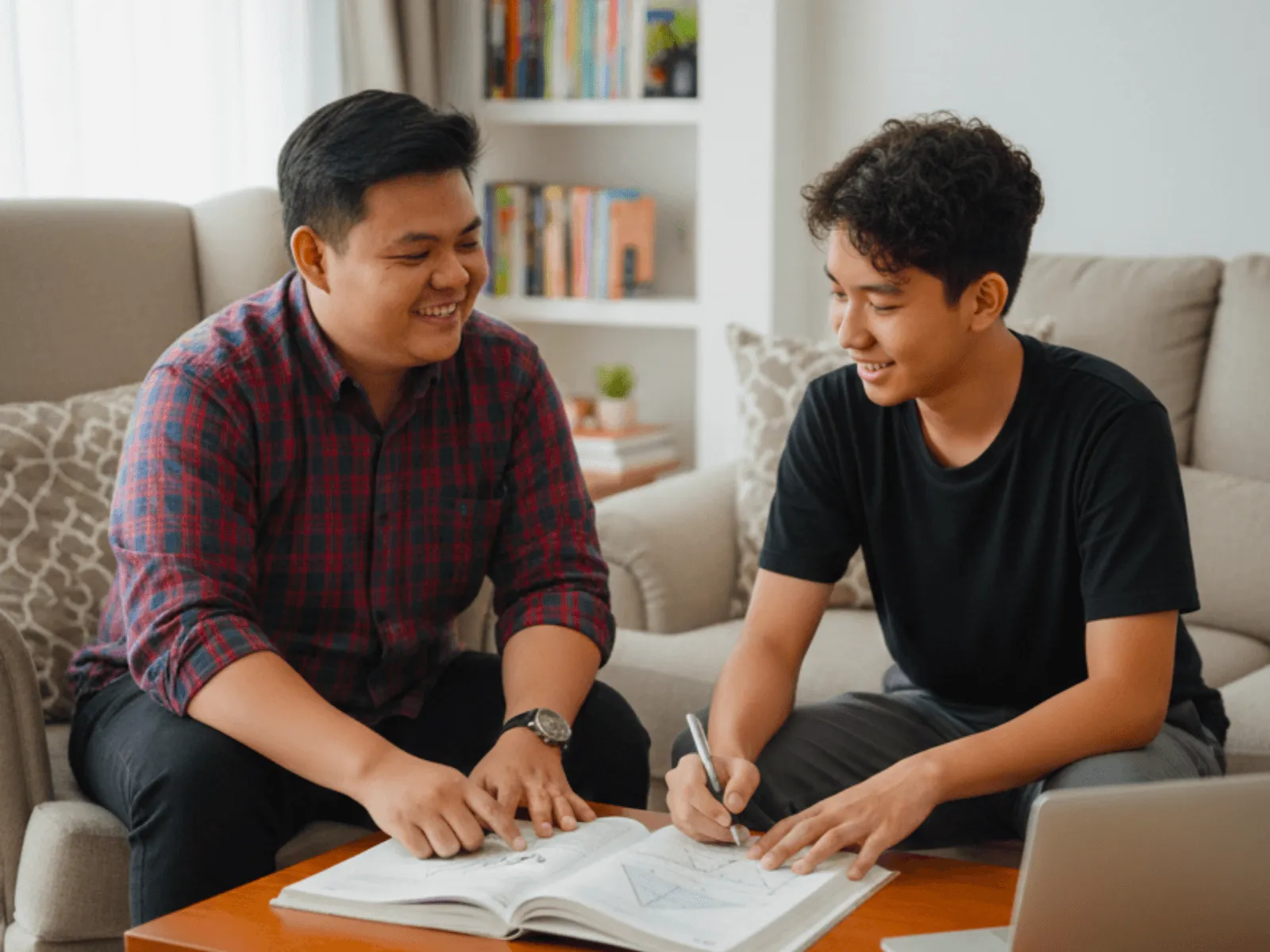
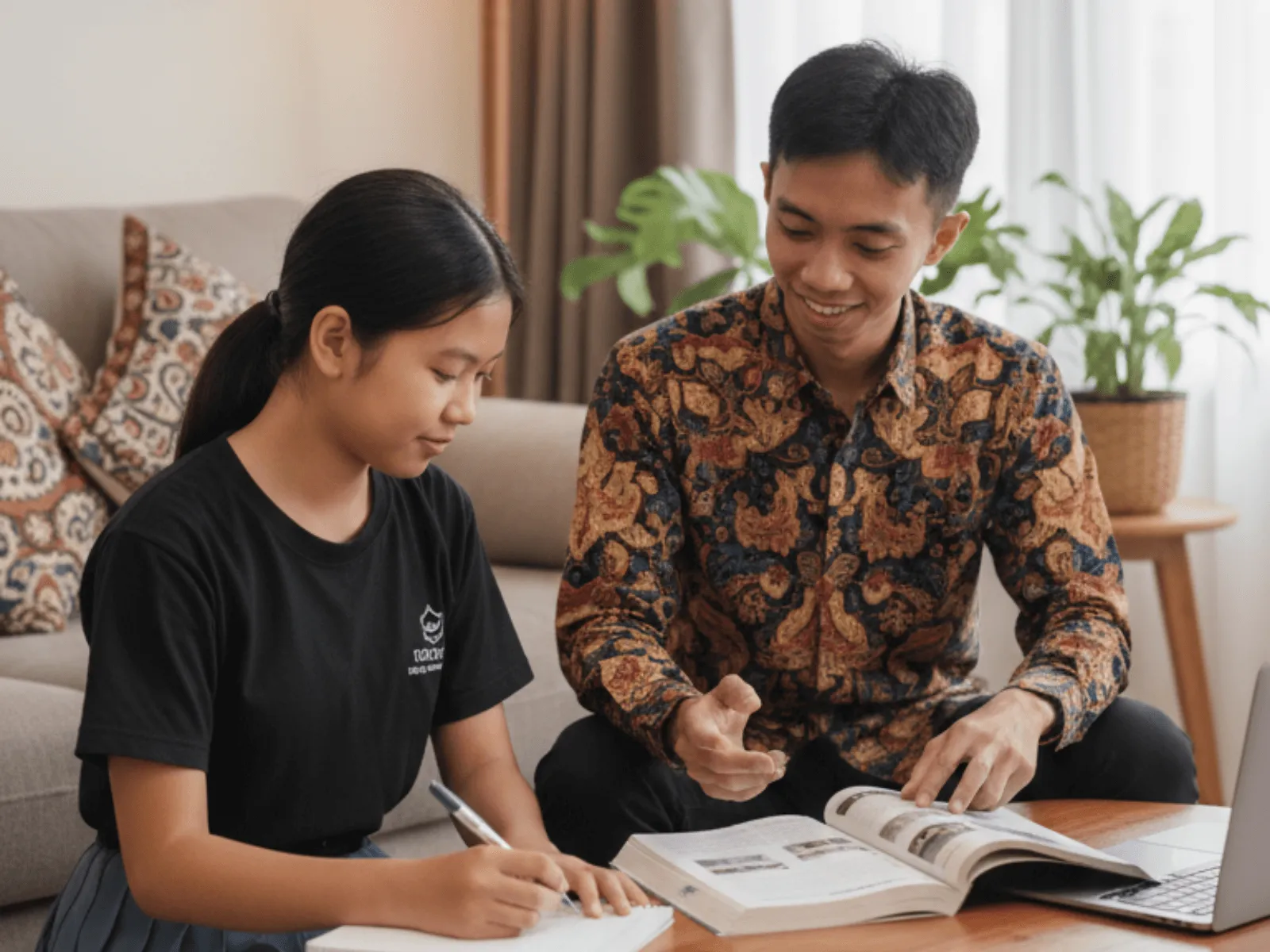
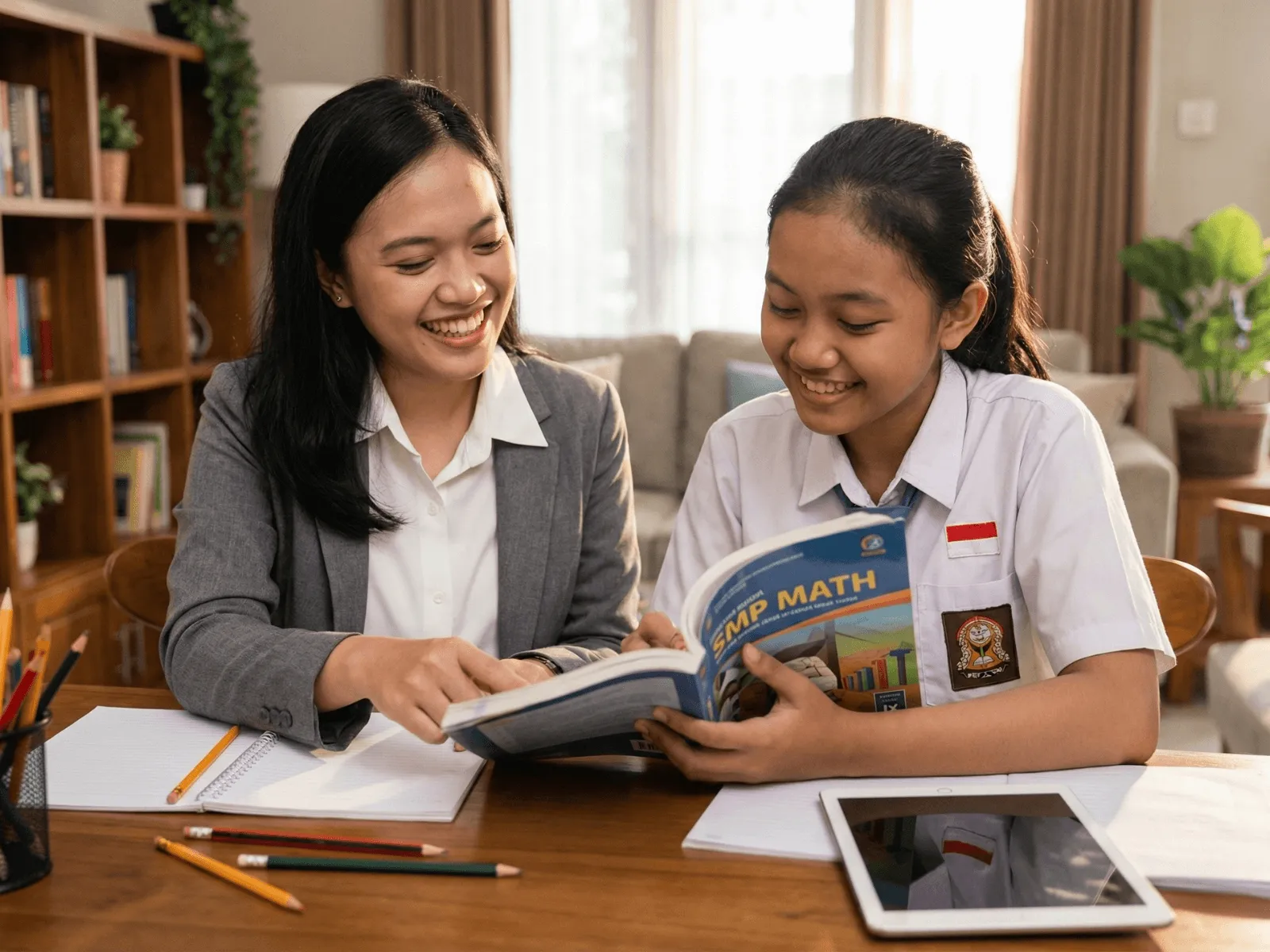
The photographs below were taken during Balinese language tutoring in Bali sessions with learners on the island.


Service Area
Where Edupola Balinese Tutors Travel in Bali
Tutors for Balinese language tutoring in Bali travel to the location you choose, from Denpasar, Badung, and Gianyar through to Tabanan, Buleleng, Klungkung, Bangli, Karangasem, and Jembrana. A quiet room is what the session needs, since listening and pronunciation carry most of the hour.
This programme has one consideration the others do not. The language varies across the island, in vocabulary and in intonation, so a learner in Buleleng is matched with a tutor who speaks as people around them speak. Learning a form from the south and using it in the north is understood, and it also marks you as having learned from a book.
The Edupola office is not used as a lesson venue. Where no tutor is available near you, sessions run online, and two parts of this programme slow down there: Balinese script practice and the forms of address that involve posture. Ask the admin about tutor coverage at your location in Bali.
Online Sessions
Online Balinese Sessions in Bali and Their Limits
Online sessions for Balinese language tutoring in Bali run over Zoom or Google Meet, and vocabulary pairs, grammar, and script reading all transfer well. Learners outside tutor coverage use this route regularly, and so do learners overseas preparing to arrive.
Two parts run more slowly online, and both are said up front. First, Balinese script practice: the tutor needs to see the order of the learner's hand strokes, so the learner photographs their writing or points the camera at the book. Second, forms of address that involve body posture, which face to face only need showing once.
The part that cannot be moved online is the listening practice in real places, and nobody pretends otherwise. A learner overseas works on vocabulary and the script, then does the listening once they arrive. Fees for online sessions match face-to-face sessions.
Frequently Asked
Questions From Basa Bali Learners
What does private Balinese language tutoring in Bali cost?
Fees start from IDR 120,900 for a 60-minute session, the shortest option. Sessions of 90 and 120 minutes are available with the fee following the length. The final fee follows session length and the number of sessions per month, between 4 and 28. The admin sends the breakdown in writing before the first payment. A notebook and any reading material are prepared by the learner and not included in the fee.
Do I need to learn the Balinese script?
Only if you want to read. Learners who want to speak with neighbours, family, or customers never need the script, and many finish the programme without it. Learners aiming at temple inscriptions or palm-leaf manuscripts do need it, and it is taken after the spoken language works, because the script writes sounds you have to be able to hear.
I understand Basa Bali but always answer in Indonesian. Can that change?
That is one of the most common situations among Balinese learners, and the gap is in production, not comprehension. Sessions are arranged so the learner speaks for most of the hour, with the everyday form first and the refined form built as pairs against words they already recognise. Progress here is usually faster than learners expect, because the vocabulary is already in there.
Which speech level is taught first?
The middle form, for most newcomers, because it carries a first meeting with almost anyone and gives you time to place the person. Learners with ceremonies or customary duties coming up start with the refined form instead, against the date. Learners who grew up hearing the everyday form already have it and begin with the refined form.
Does Basa Bali differ from one part of the island to another?
Yes, in vocabulary and in intonation, and the difference between the north and the south is noticeable. Tutors are matched so that you learn the form spoken around you, which matters because a learner using southern vocabulary in Buleleng is understood but sounds like they learned from a book. Tell the admin where you live during the consultation.
How is a Balinese language tutor matched to a learner?
The schedule is settled first during the consultation, covering days, times, session length, and sessions per month. The Edupola team then looks for a tutor whose travel to your location in Bali stays short, and that search runs 1 to 5 working days. The form spoken in your part of the island is part of the match, and learners aiming at manuscripts are matched with a tutor who reads the script. If the first 2 weeks feel like a poor fit, a replacement is arranged at no extra cost.
Related Programmes
Other Programmes Learners Add in Bali
Learners taking Balinese language tutoring in Bali often add one other programme, usually because a household is learning more than one language at once.
-
Regional Language Tutoring in Bali
Taken by learners who also deal with Javanese or another regional language at work.
-

Indonesian for Foreigners in Bali
Chosen by newcomers who need Indonesian for offices and paperwork alongside Balinese.
-
English Tutoring in Bali
Often added by households where the children are strengthening English at the same time.
Get Started
Start From the People in Your Own Circle
Name the people you want to speak with in Basa Bali, where you live on the island, and whether you need the script. A tutor in Bali is matched within 1 to 5 working days.