
Private Videography Tutoring in Bali
Videography Tutoring in Bali: Sound Is Set Up First
Videography tutoring in Bali from Edupola pairs one tutor with one learner on location. The order here reverses what most learners expect. Sound is set up before the camera is switched on, because of the 6 things done first, every one of them is audio. Fees from IDR 174,100 per session.
Rating and fees for videography tutoring in Bali
| Programme | Videography Tutoring in Bali |
|---|---|
| Provider | Edupola |
| Description | Private videography tutoring in Bali, one tutor per learner. Sound is set up before the camera, then camera settings and movement, then editing rhythm, then colour and aerial work. |
| Fee | Fees start from Rp174,100 per session. |
| Session Length | Sessions run 60, 90, or 120 minutes. |
| Schedule | Flexible, following the learner's calendar. |
| Start | Lessons can start any time after registration. |
| Sessions per Month | 4 to 20 sessions per month, as needed. |
| Rating | 4.9 out of 5, based on 134 reviews |
Programme at a Glance
Videography Tutoring in Bali and an Order That Surprises Learners
Videography Tutoring in Bali runs one tutor with one learner, at your home, your workplace, or over a screen. Learners arrive wanting camera settings and cinematic movement. The first sessions disappoint them slightly and then convince them, because they are about sound.
The reasoning is a matter of what can be repaired later. An underexposed shot can be lifted, a crooked horizon straightened, a dull image graded. A recording where the voice is buried under a generator, a gamelan rehearsal, or wind across a microphone cannot be rescued by anything, and the only remedy is to shoot it again.
Bali makes this sharper than most places: ceremonies, traffic, surf, and roosters are all louder than a camera microphone assumes. So the audio comes first, then camera settings and movement, then editing rhythm, then colour and aerial work. Fees start from IDR 174,100 per 60-minute session, with 4 to 28 sessions a month. This programme holds a 4.9 out of 5 rating across 134 learner reviews in Bali.
Before the Camera
Six Things Done Before the Camera Is Switched On
These are the first habits trained in videography tutoring in Bali, and they take about four minutes once learned.
-
The Microphone Moves Closer to the Source
Distance is the single largest factor in usable audio, ahead of the price of the microphone. Halving the distance does more than any setting, which is why the first instruction is to move it closer.
-
The Background Is Listened To First
Thirty seconds standing still, listening to what the location actually sounds like. Air conditioning, a fridge, and distant traffic are all inaudible to someone who has stopped noticing them.
-
Audio Is Monitored Through Headphones
Wired headphones on, every take. A meter shows level and not quality, so interference, wind, and a loose cable are only caught by listening while recording.
-
Levels Are Set With Room to Spare
Recording a little quiet leaves room for a sudden laugh or an applause. Audio recorded too hot is clipped permanently, and clipping is the one audio fault that cannot be undone.
-
Room Tone Is Recorded Separately
Thirty seconds of the location with nobody speaking. It costs nothing on the day and it is what lets an editor patch a gap without the silence sounding like a dropout.
-
One Clap at the Start of a Take
A single clap gives a visible spike and an audible peak to line up separate audio with the picture. Learners who skip it spend their editing time dragging waveforms by eye.
Stage Map
Production Stages and the Mistake Typical of Each
Videography tutors use this to place a learner. The third column is the point of the whole programme: these are the mistakes that cannot be repaired afterwards.
| Stage | What happens | The mistake nothing can repair later |
|---|---|---|
| Planning and shot list | Deciding what has to be filmed before arriving | Returning without a shot the story needs, discovered while editing |
| Sound set-up | Microphone placement, levels, monitoring, room tone | Dialogue buried under background, or clipped audio |
| Lighting and exposure | Reading available light, adding or blocking it | Blown highlights with no detail left to recover |
| Camera and movement | Settings, focus, and deliberate camera moves | Out-of-focus footage of a moment that happened once |
| Coverage | Wide, medium, and close, plus connecting shots | Only one angle, so the edit has nowhere to cut to |
| Backing up on the day | Copying cards before leaving the location | A corrupted card, which ends the project instead of delaying it |
Learning Path
The Order of Material From Sound to Colour
The videography stage a learner starts at is set by what their last recording sounded like, and never by the camera they own.
-
Stage 1
Sound and the Shot List
Microphone placement, monitoring, room tone, and deciding what must be filmed before arriving. Both halves are planning, and both are what separate usable material from a day wasted.
- Microphone placement
- Monitoring while recording
- A shot list written first
-
Stage 2
Camera Settings and Movement
Exposure, frame rate, shutter, focus, and movement that has a reason. Movement is taught last within this stage, because a moving camera with no purpose reads as nervousness.
- Exposure and shutter
- Focus under pressure
- Movement with a reason
-
Stage 3
Editing and Rhythm
Assembling what was shot, which is also the honest audit of the shooting. Learners discover their coverage gaps here, and the next shoot improves because of it.
- Assembly
- Cutting on action
- Reading your own coverage
-
Stage 4
Colour and Aerial Work
Matching shots to each other, then grading, plus drone work for learners who need it including the rules about where it may be flown in Bali.
- Matching before grading
- Grading with intent
- Drone rules and safety
Who It Is For
Learners Who Take Videography Lessons in Bali
Every session holds one learner, so the footage shot in the session is for that learner's own project.
-
Business Video Makers
Learners in Bali filming their own promotional material. Interview audio and a shot list carry the weight, since a clear voice sells more than a pretty frame.
-
Event and Wedding Filmers
Learners recording events in Bali, where nothing happens twice. Coverage and backing up on the day are trained hardest, because a missed moment is permanent.
-
Travel Content Makers
Learners filming places around the island. Wind on the microphone and changing light are the two practical obstacles, and both have procedures.
-
Photographers Adding Video
Learners in Bali who already read light well. Sound and movement are the gaps, and they close quickly on an existing visual foundation.
-
Learners Whose Audio Is Unusable
Learners whose footage looks fine and cannot be watched. The first session diagnoses it from their own material, usually within minutes.
-
New Drone Pilots
Learners in Bali starting aerial work. Rules, permissions, and the places where flying is prohibited come before any cinematic move.
One Session
Inside a 60-Minute Videography Session on Location
This is the division used for a location session. The listening block at the start is never skipped, however tight the light is.
-
10 minutes
Listening to the Location
Headphones on, camera still in the bag. The learner names what they hear and decides where a microphone can go, before any framing is discussed.
-
10 minutes
Setting Up and Testing Sound
Microphone placed, levels set with room to spare, a test recorded and played back. Played back, not assumed, because the meter does not show quality.
-
20 minutes
Filming the Spoken Section
The part with dialogue is shot first, while attention is highest and the location is quietest. This ordering is deliberate and learners keep it afterwards.
-
15 minutes
Filming Connecting Shots
Wide, medium, close, and the details that let an edit breathe. Learners are asked to name what each shot is for before shooting it.
-
5 minutes
Checking the Material on the Spot
Audio listened to and focus checked before leaving. A fault found on location costs a retake; the same fault found at home costs the whole trip.
In a 90 or 120 minute session, a complete short piece is shot with full coverage and backed up before leaving, which is what learners preparing a showreel usually choose.
Brought by the Learner
Equipment Brought to a Shoot
The admin confirms these once the schedule for videography tutoring in Bali is agreed. A camera, a microphone, headphones, cards, and storage are prepared by the learner and not included in the fee.
-
The Camera You Use Day to Day
Whatever you own, including a phone. A phone with an external microphone produces more watchable video than an expensive camera recording its own built-in audio, which is the whole argument of this programme.
-
A Separate Microphone
A clip microphone or a small shotgun, whatever fits your camera. This is the one purchase worth making early, because it changes the result more than any lens.
-
Wired Headphones
Wired, not wireless, since a delay makes monitoring useless. Without headphones you are recording blind, and the fault is only discovered at home.
-
Spare Cards and Batteries
Enough for the session with margin. Events do not pause while a battery charges, and a full card at the wrong moment is the most avoidable loss in this subject.
-
Something to Keep the Camera Steady
A tripod or a gimbal if you have one. A still shot on a tripod cuts together better than a shaky handheld shot, and tutors prefer teaching steadiness to fixing wobble.
If you have no microphone yet, say so during the consultation. The tutor advises what suits your camera and your subject before you buy, since the wrong microphone is a common first purchase.
Aerial
Drones, Permissions, and Places That Prohibit Flying in Bali
Aerial footage is why a good number of learners come to videography tutoring in Bali, and the honest part of that stage is not the flying. It is knowing where you may not fly, which in Bali is a longer list than newcomers expect and changes with the occasion as well as the place.
Temple grounds during a ceremony, the airport approach path, and certain government and military areas are off limits, and ceremonies are where the misunderstanding usually happens: a procession on a public road may be a religious event, and flying over it is both prohibited and offensive regardless of the rules. Tutors cover asking first, and accepting a refusal without negotiating.
The flying itself is taught conservatively and in that order: pre-flight checks, battery discipline, a height and a line of sight you keep, and one simple move done well instead of three done nervously. Learners who intend to work commercially are taken through registration and permission requirements, because an operator stopped mid-shoot loses the day and sometimes the client.
What Learners Say
Stories From Videography Learners in Bali
The quotes below come from learners in Bali who completed the videography programme at Edupola, with their situation and what changed.
-
★★★★★
Before lessons at Edupola my wedding videos looked amateurish. After learning cinematic shooting and colour grading the results changed completely.
Wedding bookings up fourfold
Adi P.
Wedding videographer · Verified learner
-
★★★★★
My travel videos used to be flat and dull. My Edupola tutor taught visual storytelling and cinematic transitions that changed the style of my vlogs entirely.
Travel content passed a million views
Citra D.
Travel vlogger · Verified learner
-
★★★★★
Edupola trained me from the beginning in company profile and promotional production. The lighting, audio recording, and editing workflow they taught carried straight into the work.
Trusted with video for 5 large companies
Arya W.
Corporate video producer · Verified learner
-
★★★★★
As a film student I needed more personal guidance. My Edupola tutor genuinely helped me understand colour science and sound design. My film was selected.
Short film selected for an independent festival
Ayu S.
Film student · Verified learner
-
★★★★★
I learned drone videography and interior shooting at Edupola to film properties. The results were remarkable and estate agents in Bali started queuing up.
Property video became the main income
Dharma P.
Property video maker · Verified learner
-
★★★★★
My Edupola tutor taught not only camera and editing technique but also helped me assemble a professional showreel. Within 3 months of finishing it the enquiries arrived.
A showreel that attracted over 10 new clients
Ratna P.
Freelance videographer · Verified learner
Storage
Video Files Are Large and Footage Cannot Be Reshot
Two facts about video decide a working habit, and videography tutoring in Bali installs it in the first sessions. Files are enormous, and the thing they contain happened once. A wedding, a ceremony, a product launch: none of them will be run again because a card failed.
The habit is backing up before leaving the location, onto a second physical place, and keeping that copy until the project is delivered and accepted. Not after dinner, not tomorrow. The window where footage exists in exactly one place is the window where projects die, and shortening it to minutes costs almost nothing.
The space itself needs planning instead of improvisation. An hour of high-quality footage runs to many gigabytes, so learners are shown how to estimate what a shoot will produce and to arrive with that much space free, on cards and on a drive. Deleting on location to make room is where good material gets lost, and it is always avoidable.
How to Register
Four Steps to the First Shoot
The opening consultation carries no fee. The admin asks what you need to film and what equipment you hold.
-
Name the Video and Your Equipment
What you need to produce and what you already own. Those two set the starting stage, and nothing needs buying before the consultation.
-
Agree the Schedule
Days, times, session length, and sessions per month are agreed with the admin, following the hours your subject and the light allow, which often means early morning.
-
Matching the Tutor
The team looks for a tutor whose travel to your location in Bali stays short, and that search runs 1 to 5 working days. Events, business video, and aerial work are matched to tutors who do that kind of filming.
-
The First Session
Your last recording is listened to, the location is listened to, and a microphone is placed before any camera setting is discussed.
Need help? Contact our admin on WhatsApp for a free consultation.
Documentation
Videography Lessons With Edupola in Bali
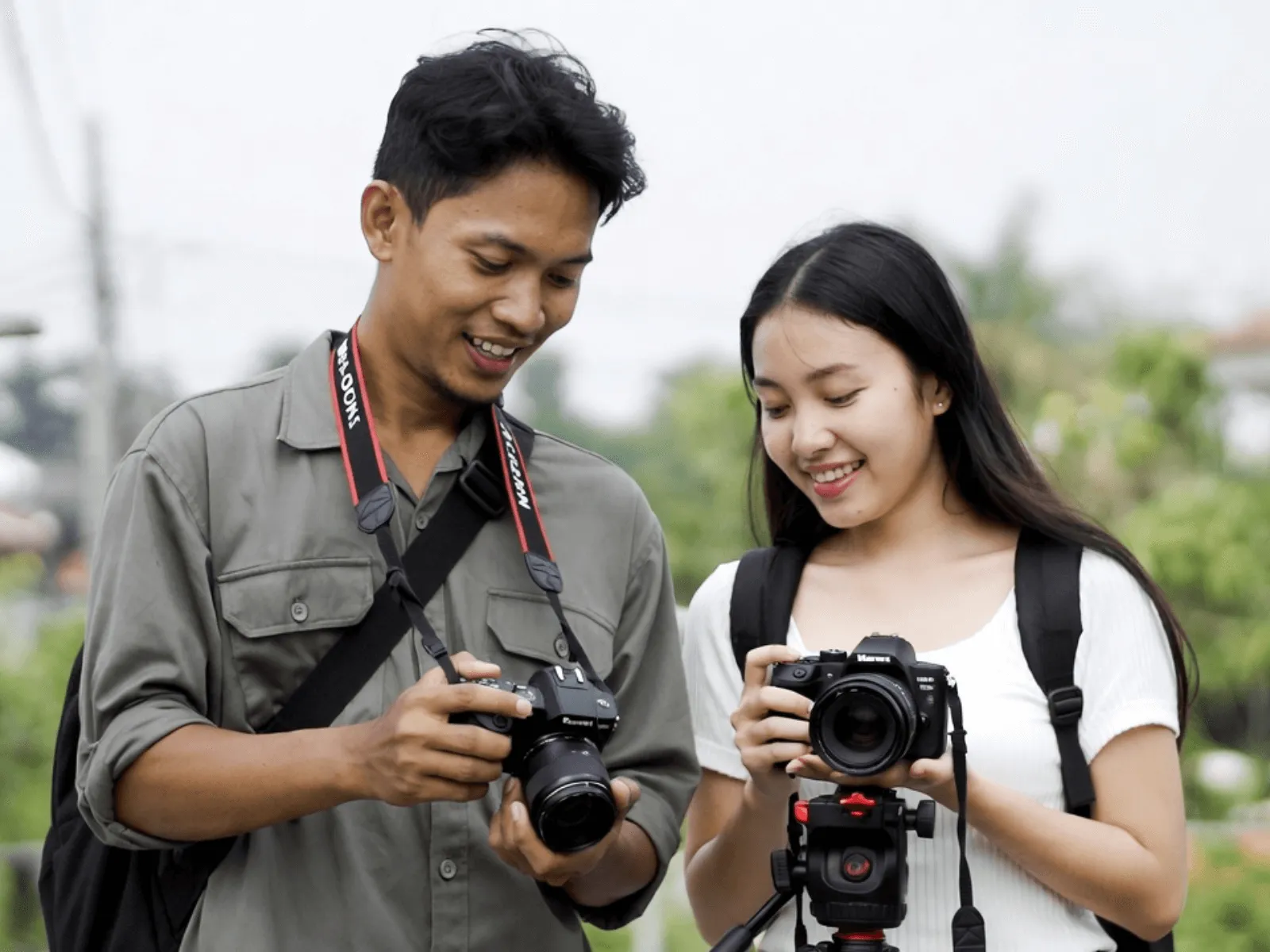
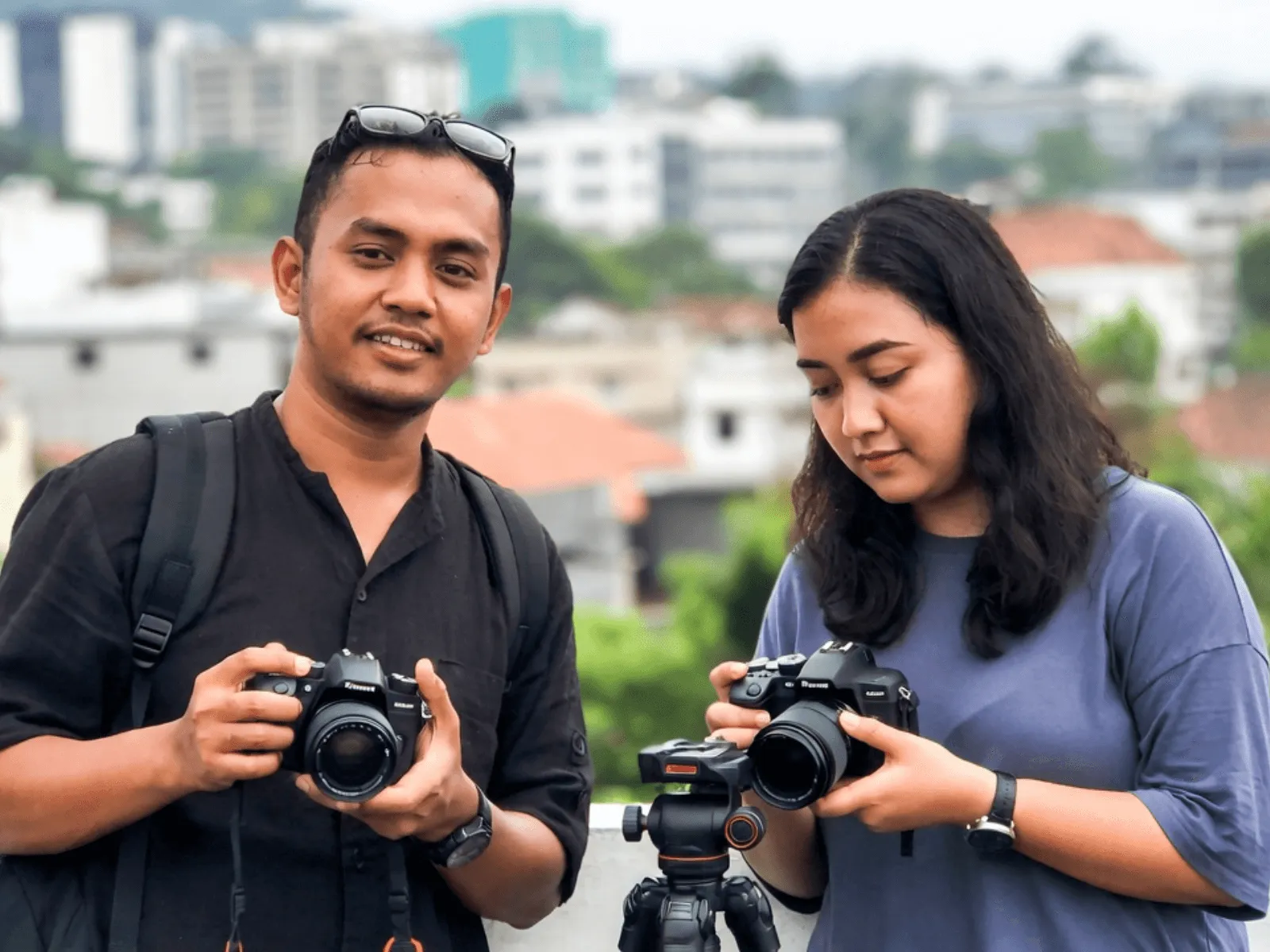
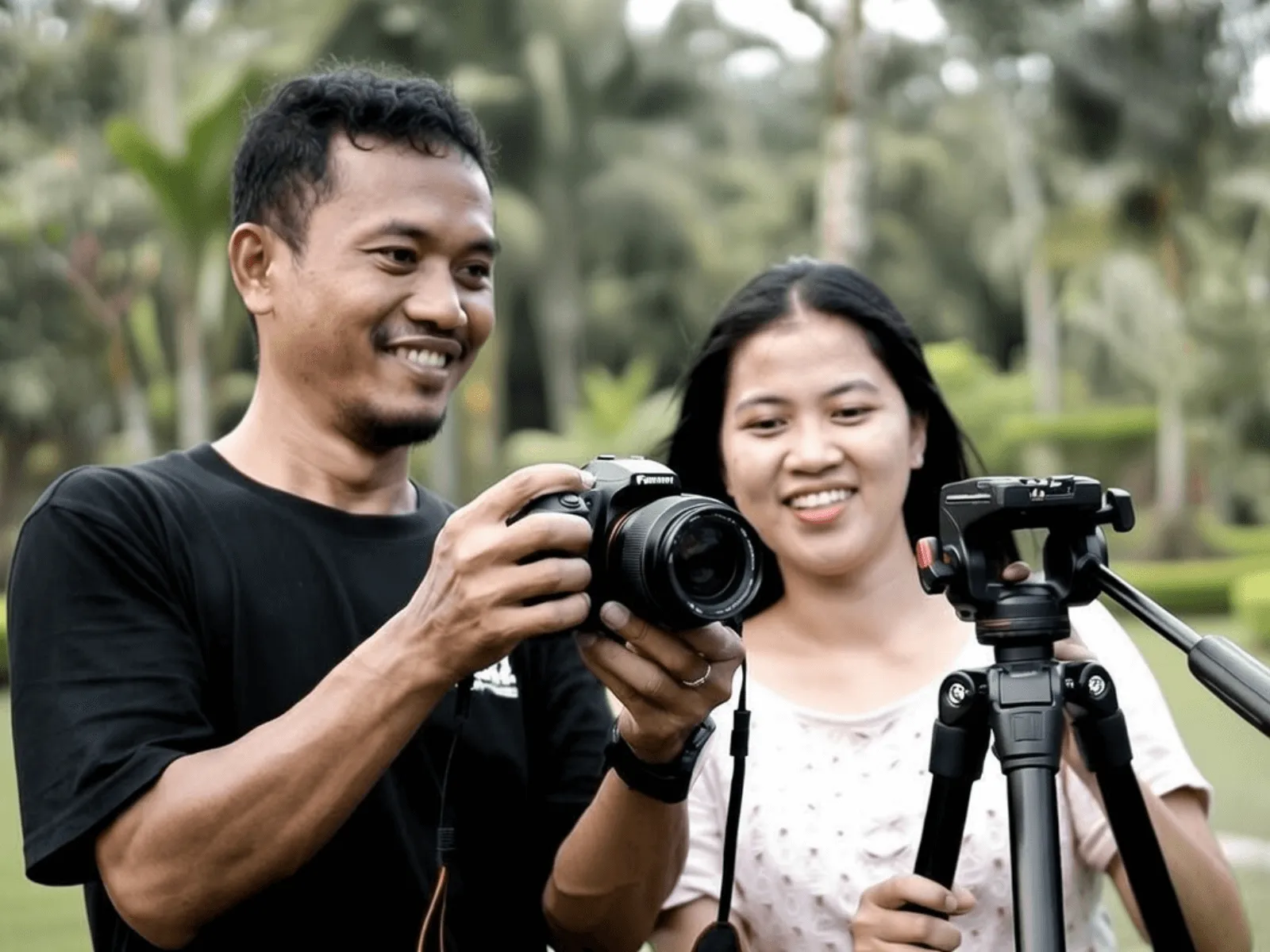
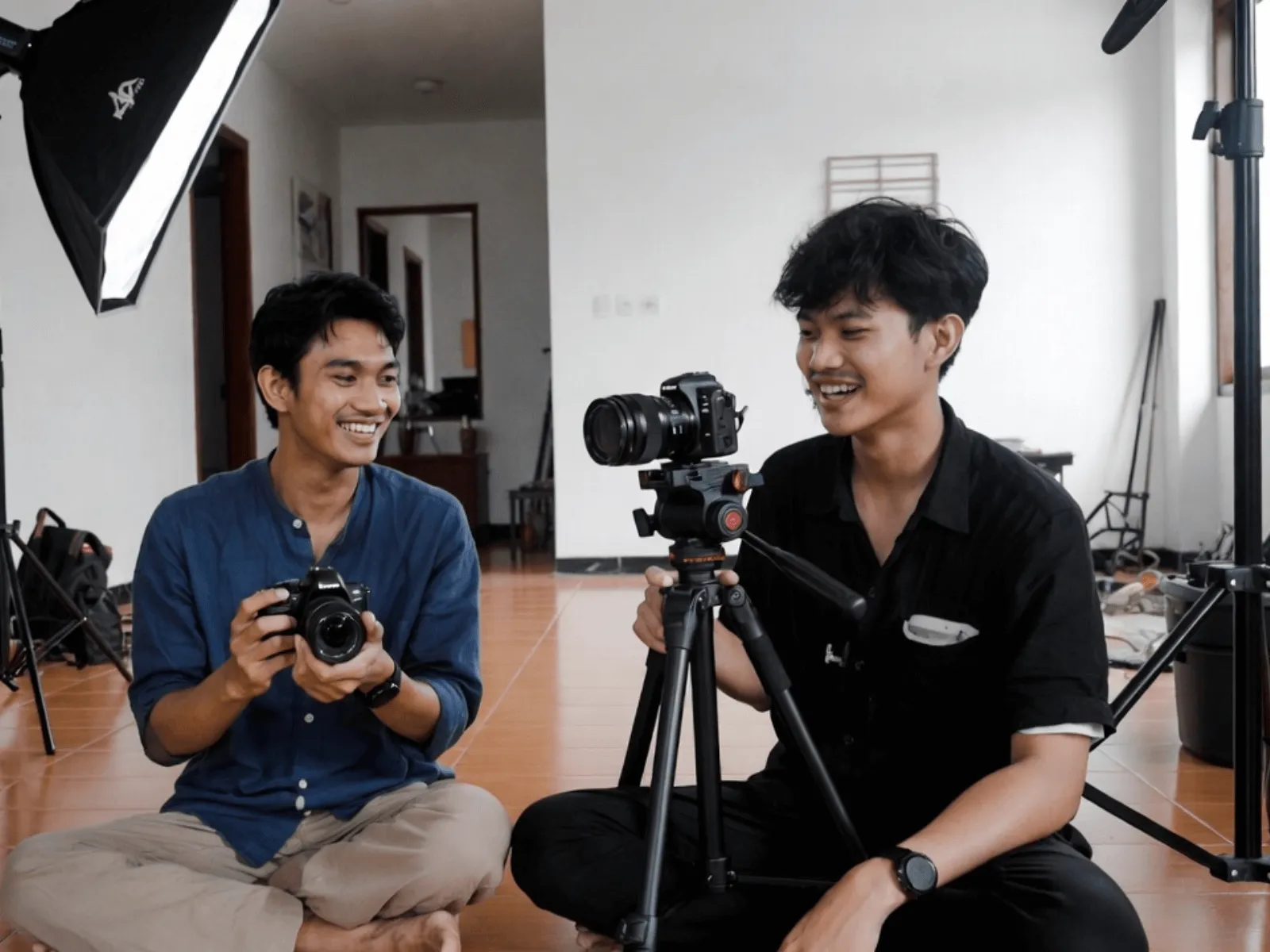
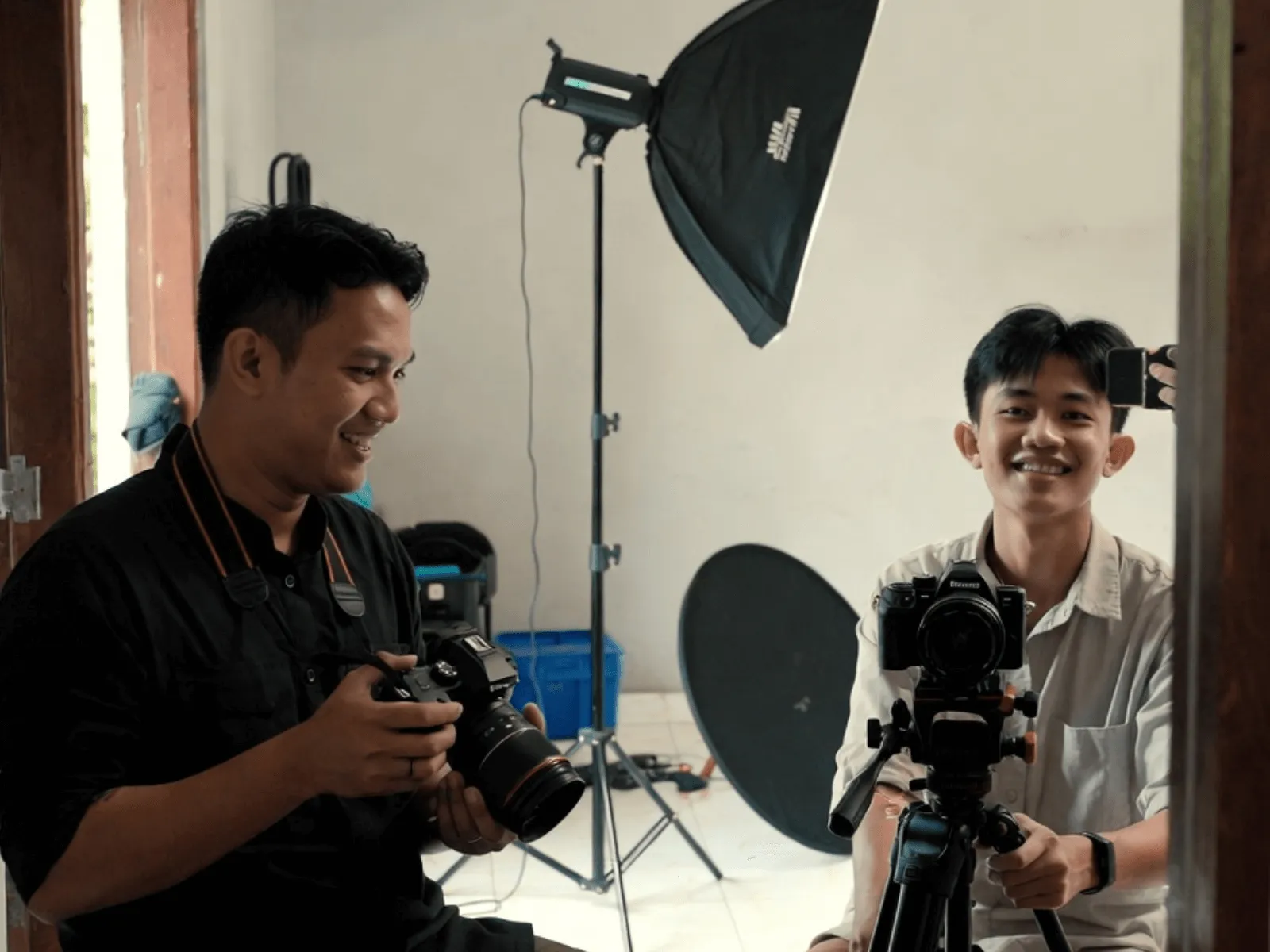
The photographs below were taken during videography tutoring in Bali sessions with learners on the island.
Service Area
Where Edupola Videography Tutors Travel in Bali
Tutors for videography tutoring in Bali travel to the location you choose, from Denpasar, Badung, and Gianyar through to Tabanan, Buleleng, Klungkung, Bangli, Karangasem, and Jembrana. Sessions happen on location almost always, and the meeting point is chosen for the subject and for how quiet it is.
Location choice carries more weight in this subject than in most. A learner filming interviews is best served at the place the interviews will happen, so the air conditioning, the road outside, and the reflective wall are all met in a rehearsal instead of on the day. Learners filming events usually arrange one session at the actual venue beforehand.
The Edupola office is not used as a lesson venue. Where no tutor is available near you, sessions run online. Part of this programme transfers online and part does not, as the next section sets out. Ask the admin about tutor coverage at your location in Bali.
Online Sessions
The Parts of Videography That Work Well Online in Bali
Online sessions for videography tutoring in Bali run over Zoom or Google Meet, and this subject splits in two. Planning, shot lists, reviewing a learner's footage, editing, and colour all work well on a shared screen, and the review is often sharper because the discussion is slower.
Filming does not transfer. Reading a location means hearing it, and a tutor cannot hear a room through a compressed stream. Learners outside tutor coverage usually arrange a mixed pattern: shooting assignments with written constraints, then online sessions to review what came back.
That pattern has a real advantage for this subject. A learner who shoots alone and then defends their coverage choices thinks harder about the shot list than one who had a tutor beside them. Fees for online sessions match face-to-face sessions.
Frequently Asked
Questions From Videography Learners in Bali
What does private videography tutoring in Bali cost?
Fees start from IDR 174,100 for a 60-minute session, the shortest option. Sessions of 90 and 120 minutes are available with the fee following the length. The final fee follows session length and the number of sessions per month, between 4 and 28. The admin sends the breakdown in writing before the first payment. A camera, a microphone, headphones, cards, and storage are prepared by the learner and not included in the fee.
Why is sound worked on before the camera?
Because of what can be repaired afterwards. An underexposed shot can be lifted and a dull image graded, but dialogue buried under traffic or clipped by a level set too high cannot be rescued by anything. Bali adds to the problem: ceremonies, surf, roosters, and generators are all louder than a camera microphone assumes, so the audio decision comes first.
Is a phone camera enough to start?
Yes, for most of this programme, and with one addition it is more than enough: an external microphone. A phone with a clip microphone produces more watchable video than an expensive camera recording its own built-in audio. The stages that need a camera with interchangeable lenses are shallow depth and very low light, and the tutor says plainly when you have reached them.
May I fly a drone at tourist locations in Bali?
Not everywhere, and the list is longer than newcomers expect. Temple grounds during a ceremony, the airport approach path, and certain government and military areas are off limits. Ceremonies are where misunderstandings happen, since a procession on a public road is a religious event. The programme covers asking first and accepting a refusal without negotiating.
How much storage should I prepare?
More than you expect, and estimated before the shoot instead of discovered during it. An hour of high-quality footage runs to many gigabytes, so sessions include working out what a shoot will produce and arriving with that much free on cards and on a drive. Deleting on location to make room is where good material gets lost.
How is a videography tutor matched to a learner?
The schedule is settled first during the consultation, covering days, times, session length, and sessions per month. The Edupola team then looks for a tutor whose travel to your location in Bali stays short, and that search runs 1 to 5 working days. The kind of filming matters here: events, business video, and aerial work are matched to tutors who do that work. If the first 2 weeks feel like a poor fit, a replacement is arranged at no extra cost.
Related Programmes
Other Programmes Learners Add in Bali
Learners taking videography tutoring in Bali often add one other programme, usually because the footage has to become something.
-
Video Editing Tutoring in Bali
Taken by learners whose material is good and whose finished pieces drag.
-

Photography Tutoring in Bali
Chosen by learners who want to read light with more control before filming.
-
Content Creator Mentoring in Bali
Often added by learners posting their own video on a schedule.
Get Started
Start From the Sound
Name the video you need to make, the equipment you hold, and where it will be filmed. A tutor in Bali is matched within 1 to 5 working days.