
Private Dance Tutoring in Bali
Dance Tutoring in Bali: The Count Before the Movement
Dance tutoring in Bali from Edupola pairs one tutor with one learner at a place you choose. Learners who copy videos hit the same wall: they know the moves and cannot say where they go. So the music is broken into 8 counts first. Fees from IDR 120,900 per session.
Rating and fees for dance tutoring in Bali
| Programme | Dance Tutoring in Bali |
|---|---|
| Provider | Edupola |
| Description | Private dance tutoring in Bali, one tutor per learner: the count is found before the movement, so corrections can be named by number across any genre. |
| Fee | Fees start from Rp120,900 per session. |
| Session Length | Sessions run 60, 90, or 120 minutes. |
| Schedule | Flexible, shaped around the learner's needs. |
| Start | Lessons begin once the tutor and materials are ready. |
| Sessions per Month | 4 to 28 sessions per month, as needed. |
| Rating | 4.9 out of 5, based on 128 reviews |
Programme at a Glance
Dance Tutoring in Bali and the Count as a Shared Language
Dance tutoring in Bali runs one tutor with one learner, at your home, your workplace, or over a screen. Most learners arrive having copied choreography from video, which produces a particular and fixable problem.
They can perform the movements and cannot place them. Asked where a turn belongs, they rewind the song in their head and guess, so a correction cannot be given precisely and the dancer drifts behind the music within a few bars. What they are missing is not talent; it is the count.
Counting is the common language of every genre taught here. The music is split into counts first, each movement is attached to a number, and every correction is given as a number: the arm is late on five, the weight stays too long on two. Fees start from IDR 120,900 per 60-minute session, with 4 to 28 sessions a month. This programme holds a 4.9 out of 5 rating across 128 learner reviews in Bali.
The Count
Six Ways the Count Is Used in Every Session
This is what makes dance tutoring in Bali transferable: a learner who counts can learn a routine from any teacher, or from a video, without losing the placement.
-
The Music Is Broken Down First
Before any movement, the learner claps or counts the song into groups of eight. A dancer who cannot find the count in a song cannot stay with it under pressure.
-
Movements Are Attached to Numbers
Each step is learned as belonging to a specific count instead of to a feeling. This is what lets a learner rejoin the routine after a mistake instead of stopping.
-
Corrections Are Named by Number
The tutor says the hip is late on three, not that it looks wrong. A correction with an address can be practised; a vague one gets nodded at and forgotten.
-
Hard Parts Are Drilled Apart
Two counts taken out of the routine and repeated alone. Running the whole sequence to reach the difficult bar wastes most of the session on the easy parts.
-
Speed Is Raised in Stages
The sequence is learned slower than the track and brought up gradually. Learning at full speed produces an approximation that cannot be cleaned up later.
-
The Count Carries Across Genres
Hip hop, K-pop choreography, traditional Balinese dance, and modern all use counting, which is why a learner who has it can move between styles.
Genres
Genres Available and the Demands of Each
Dance tutors use this when a learner chooses. The third column is what the genre demands of the body, which matters more than preference for a beginner.
| Genre | What it emphasises | What it asks of the learner |
|---|---|---|
| Hip hop and street | Groove, weight, and isolation | Tolerance for repetition; the feel comes from volume of practice |
| K-pop choreography | Precision and matching a reference exactly | Memory for detail, since the standard is the original video |
| Traditional Balinese dance | Posture, eyes, and fingers held in exact positions | Patience; the stillness is harder than the movement |
| Modern and contemporary | Floor work, lines, and transitions | Flexibility and a willingness to be unpolished for a while |
| Social and partner dance | Leading, following, and timing with another person | Listening to a partner more than to the mirror |
Levels
Material Levels in Dance From the Basics
The dance level a learner starts at is set by whether they can find the count, and never by how many routines they have copied.
-
Beginner
Count, Weight, and Basic Steps
Finding the count in a song, shifting weight deliberately, and a handful of steps clean enough to repeat. Most of the first month lives here.
- Finding the count
- Weight transfer
- A few clean steps
-
Intermediate
Routines and Transitions
A full routine learned, with the joins between sections cleaned. Transitions are where most learners lose the count, so they get their own drilling.
- A full routine
- Clean transitions
- Rejoining after a mistake
-
Advanced
Performance and Personal Style
Facing an audience or a camera, projecting, and adding interpretation on top of accuracy. Recording is the tool, since what a dancer feels and what reads are different.
- Projection
- Interpretation
- Recording as the check
Who It Is For
Learners Who Take Dance Lessons in Bali
Every session holds one learner, so the genre and the track are chosen with that learner.
-
Audition and Competition Entrants
Learners in Bali working to a date. Accuracy against a reference and holding the count under nerves are what sessions drill.
-
Learners Who Practise From Video
Learners in Bali who already copy choreography. The count is the missing piece, and adding it usually unlocks months of stalled progress.
-
Children and Teenagers
Younger learners in Bali. Sessions are shorter, built on tracks they like, and finishing a short routine matters more than difficulty.
-
Learners Who Want to Move Regularly
Learners who find a gym dull. Dance gives the same effort with a result they can show, and the count gives the session structure.
-
Weekend Dancers
Working learners in Bali who dance socially. Leading, following, and timing with a partner carry the sessions instead of choreography.
-
Family and Office Performances
Learners in Bali preparing a group routine for an event. Sessions work on the version the group can actually perform together.
One Session
Inside a 60-Minute Dance Session
This is the division used once a learner has a routine in progress. The recording near the end is what makes the next session efficient.
-
10 minutes
Warm-Up on the Beat
Mobility done to the track, so the count is already in the body before any choreography. Cold joints and sudden floor work is how ankles get hurt.
-
10 minutes
Running the Old Sequence
What was learned last session, performed in full. A routine not run for a week decays faster than learners expect, and the gaps show immediately.
-
20 minutes
New Section Broken Down by Count
Two or four counts at a time, slower than the track, each movement given its number before being joined.
-
15 minutes
Joining and Recording
The new section attached to the old one and recorded. The recording shows the dancer what the mirror cannot, since you cannot watch yourself and perform at once.
-
5 minutes
Cool-Down and Practice Notes
Easy movement, then which counts to drill before the next session, written down with their numbers.
In a 90 or 120 minute session, a whole routine is learned and recorded in one sitting, which is what learners preparing for an audition or an event usually choose.
Prepared by the Learner
Music, Recording, and Footwear to Prepare
The admin confirms these once the schedule for dance tutoring in Bali is agreed. Music, a phone with a stand, and footwear for the genre are prepared by the learner and not included in the fee.
-
The Track You Want to Dance To
One song, decided. Choreography is built on a specific track, and a learner who changes the song mid-month restarts the counting work along with it.
-
A Speaker With an Audible Beat
A phone speaker flattens the low frequencies that carry the beat, which makes the count hard to find. Any small external speaker solves it.
-
A Phone and Something to Prop It On
Recording happens every session. A phone leaning against a wall at floor level is enough, as long as the whole body fits in frame.
-
Footwear for the Genre
Trainers with a grippy sole for street styles, smooth soles for turning, bare feet for traditional and contemporary. The wrong sole makes a turn either impossible or unsafe.
-
A Note About the Room and Floor
How much clear space you have and what the floor is. Tile, concrete, carpet, and wood each change what can be taught, and the tutor plans around it.
If you have not chosen a genre, say so during the consultation. The admin asks what you watch and what you want to perform, and the choice follows from those answers.
Mirror and Camera
The Mirror, the Recording, and the Part You Cannot Feel
Dancers trust two sources about their own movement and both mislead, which is why dance tutoring in Bali uses a third. A mirror shows the front only, and watching it means watching instead of dancing. The internal sense of movement is worse: a dancer feels an arm at shoulder height that a recording shows at chest height, every time.
The recording is the arbiter, and it is taken every session instead of kept for performances. Learners resist it for about two sessions, then start asking for it, because the gap between what was felt and what appears is where the fastest corrections live.
A mirror is still useful and not necessary. Learners often ask whether they need one at home, and the honest answer is no: a phone propped against a wall does more, since it keeps a record and lets you watch the movement twice. Large mirrors also encourage practising to the front, which is a problem for anyone who will eventually be seen from the side.
What Learners Say
Stories From Dance Learners in Bali
The quotes below come from learners in Bali who completed the dance programme at Edupola, with their situation and what changed.
-
★★★★★
My tutor keeps up with the newest choreography. Within 2 months I was performing at a campus event.
Passed a cover dance audition
Ayu
K-pop cover dancer · Verified learner
-
★★★★★
I was extremely stiff at first and now I perform in front of people confidently. The way it is taught is enjoyable instead of dull.
Second place in a dance competition
Bagus
Undergraduate · Verified learner
-
★★★★★
Lessons here made my dance content noticeably better. My tutor understands camera angles and expression.
Dance content that travelled
Rani
Content creator · Verified learner
-
★★★★★
I learned traditional Balinese dance for wedding performances. My tutor was detailed and patient with every movement.
Performed at more than 10 weddings
Darma
Wedding dancer · Verified learner
Floor and Shoes
Floor Surface, Shoe Soles, and Turning
Two practical things decide what can safely be taught in a home session, and dance tutoring in Bali settles them before the first visit: the floor and the soles. Together they control grip, and grip controls turning, sliding, and whether a knee is protected or twisted.
Tile is common in Bali and it is slick when dusty and grippy when damp, which means the same floor behaves differently in the morning and after rain. Concrete is unforgiving for jumps and floor work. Carpet stops turns entirely and catches a foot mid-pivot, which is how ankles roll. Wood is the most forgiving and the least common.
So the tutor adapts instead of insisting on conditions nobody has. On tile, turning is taught with controlled pivots and the surface is cleaned first; on carpet, the routine is adjusted so turns happen on a mat or are replaced; on concrete, jumps are limited and the session leans towards upper body and isolation work. Learners are told which adaptations are in place, so they know what to expect if they later dance on a proper floor.
How to Register
Four Steps to the First Dance Session
The opening consultation carries no fee. The admin asks which genre you want and what you are working towards.
-
Name the Genre and the Goal
The style you want and whether there is an audition, an event, or no date at all. Those answers set the pace and the choice of track.
-
Agree the Schedule
Days, times, session length, and sessions per month are agreed with the admin, following the hours you can give to drilling counts between sessions.
-
Matching the Tutor
The team looks for a tutor whose travel to your location in Bali stays short, and that search runs 1 to 5 working days. Street styles, K-pop choreography, and traditional Balinese dance are matched to tutors who perform them.
-
The First Session
You find the count in your own track, the floor and footwear are checked, and the first short sequence is learned by number.
Need help? Contact our admin on WhatsApp for a free consultation.
Documentation
Dance Lessons With Edupola in Bali
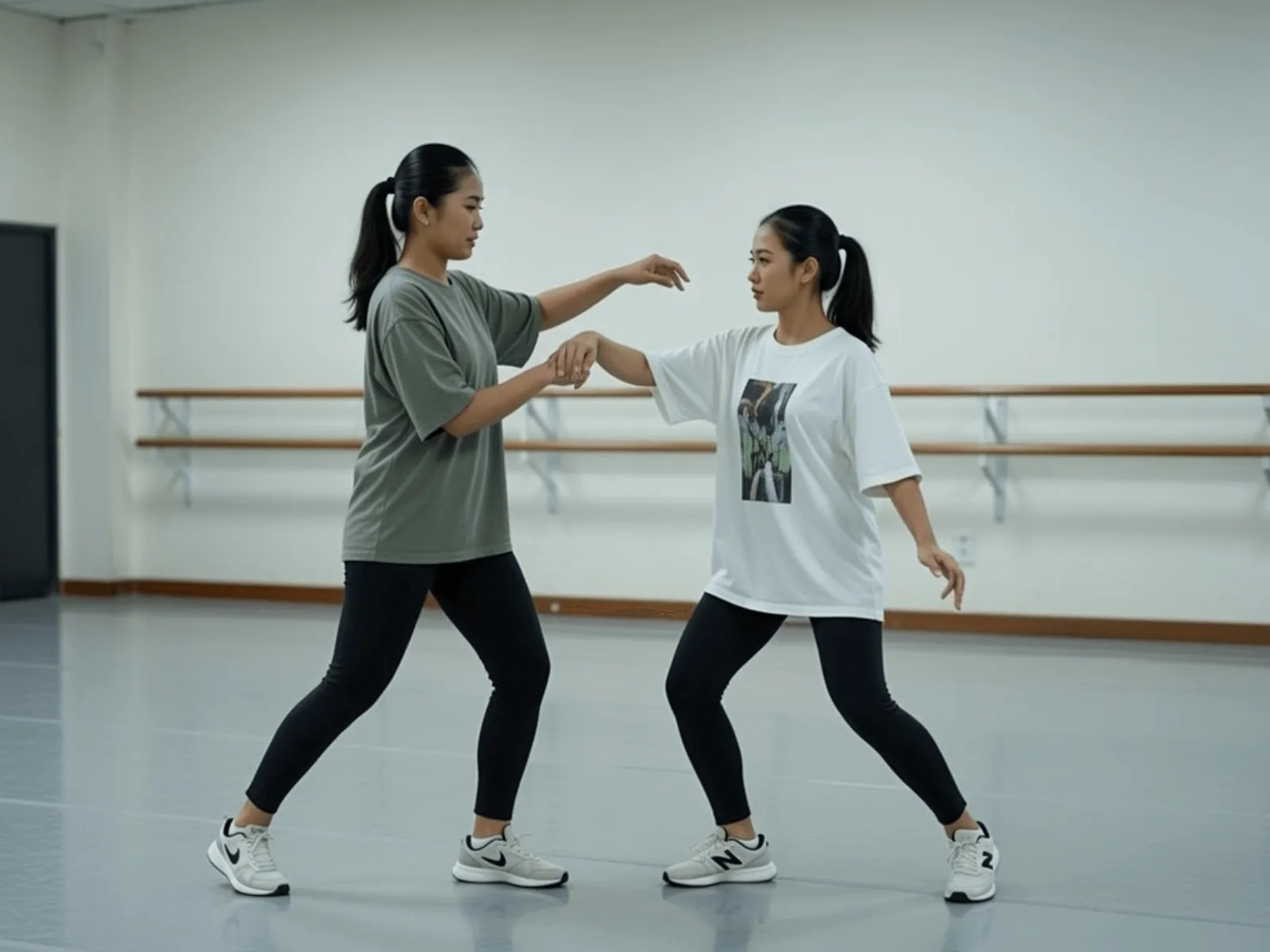
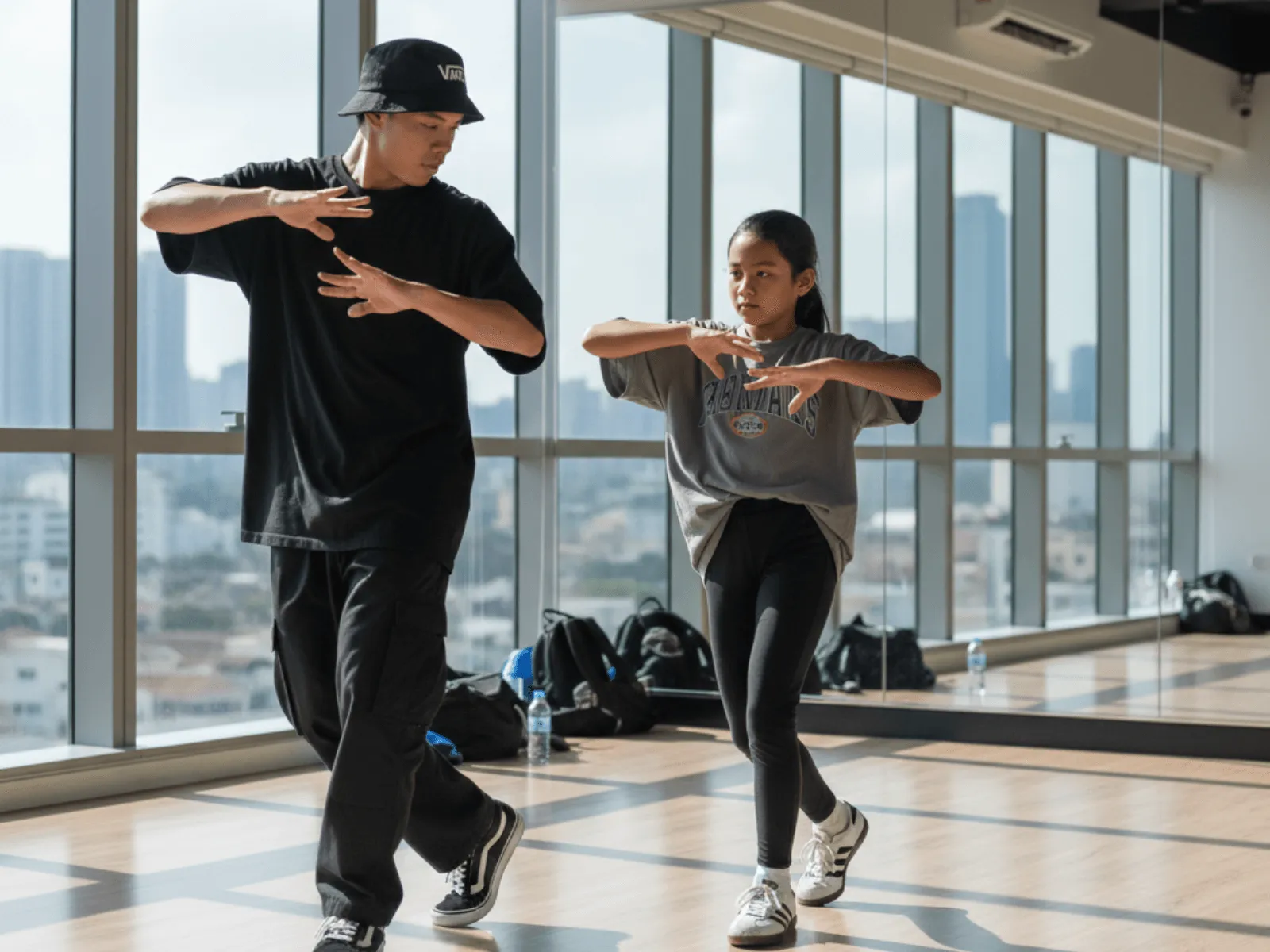
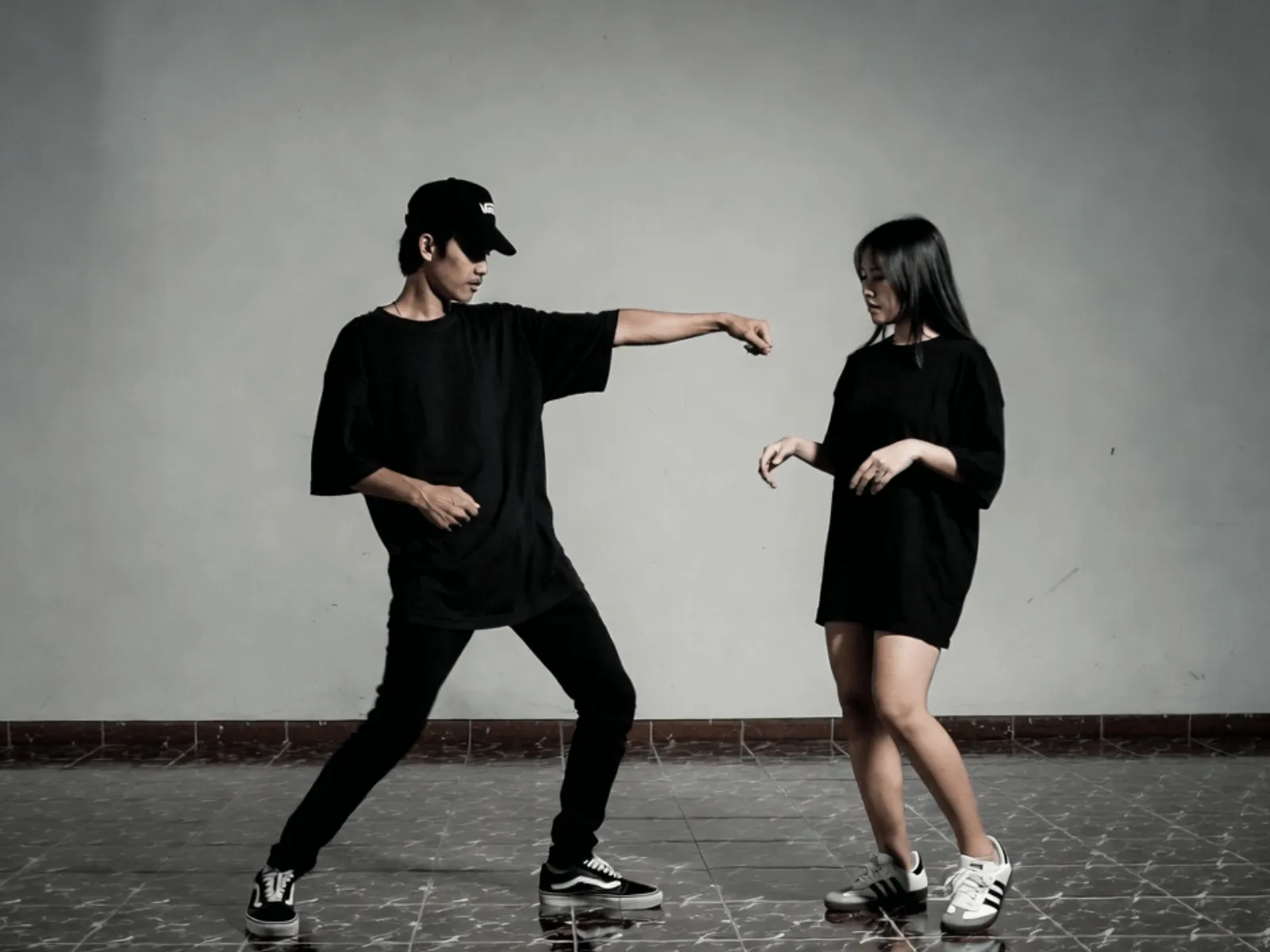
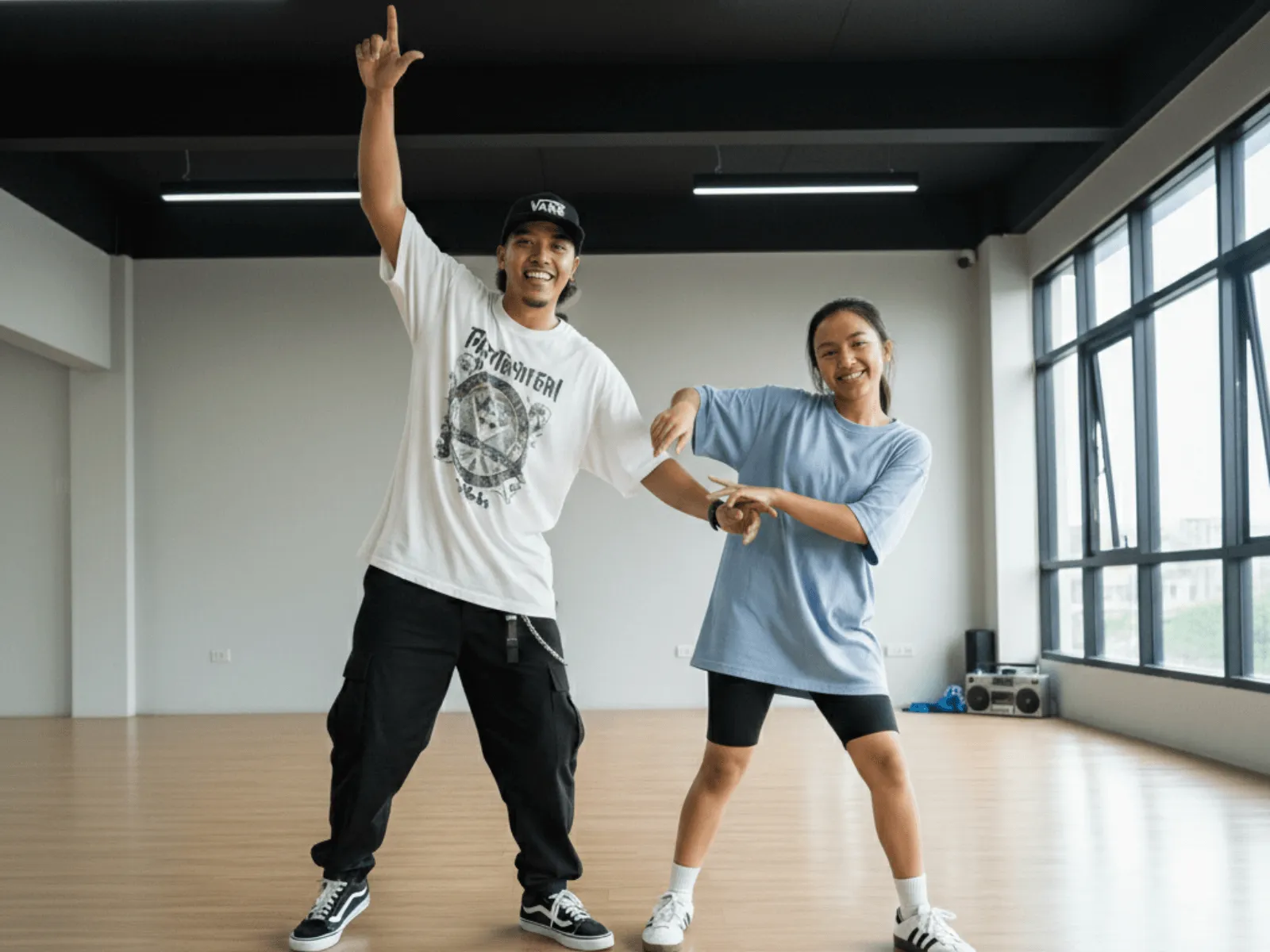
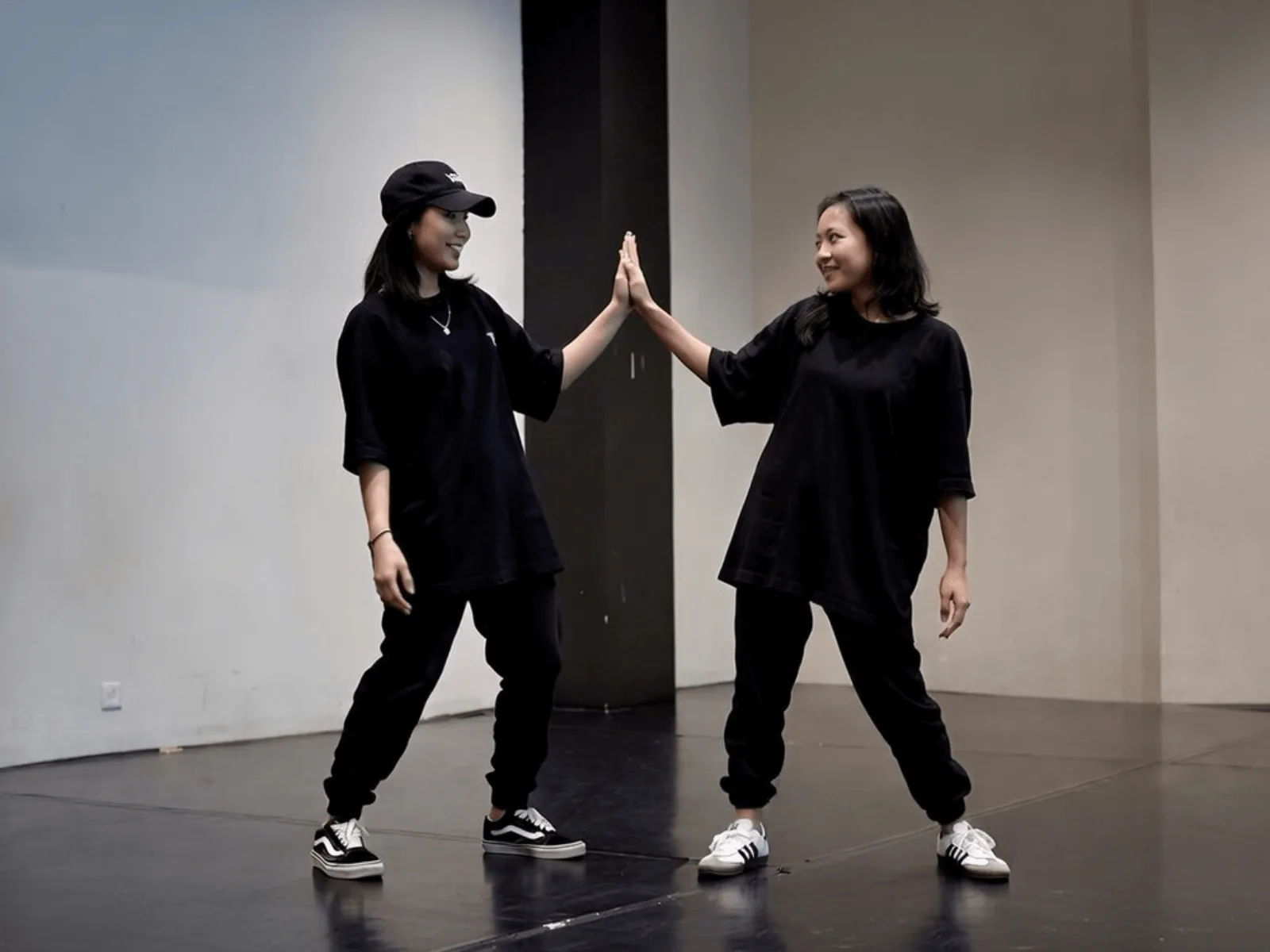
The photographs below were taken during dance tutoring in Bali sessions with learners on the island.
Service Area
Where Edupola Dance Tutors Travel in Bali
Tutors for dance tutoring in Bali travel to the location you choose, from Denpasar, Badung, and Gianyar through to Tabanan, Buleleng, Klungkung, Bangli, Karangasem, and Jembrana. What the venue needs is clear floor, a surface that allows the genre, and somewhere a speaker can be heard without disturbing neighbours.
The genre decides the match more than the distance. Street styles, K-pop choreography, traditional Balinese dance, and partner dance are taught by different people, and traditional dance in particular is taught by performers who learned it within the tradition. Learners with an audition date are matched where possible with tutors who have passed one.
The Edupola office is not used as a lesson venue. Where no tutor is available near you, sessions run online. Online dance sessions work with a real constraint on the camera, described next. Ask the admin about tutor coverage at your location in Bali.
Online Sessions
Online Dance Sessions in Bali and the Camera Angle Limit
Online sessions for dance tutoring in Bali run over Zoom or Google Meet, and the constraint is the frame. The camera has to show the whole body with room above and below, from far enough back that a step to the side does not leave the picture, which is more space than most living rooms offer by default.
With that frame the count work, sequences, corrections by number, and recording review all transfer. The tutor demonstrates in their own frame, and the learner records locally so the detail is not lost to the stream.
Two things stay difficult. Timing is slightly delayed on a call, so dancing in unison with the tutor is unreliable and counts are given ahead instead. And floor work close to the camera leaves the frame constantly. Learners with an event coming up usually keep the final sessions face to face. Fees for online sessions match face-to-face sessions.
Frequently Asked
Questions From Dance Learners in Bali
What does private dance tutoring in Bali cost?
Fees start from IDR 120,900 for a 60-minute session, the shortest option. Sessions of 90 and 120 minutes are available with the fee following the length. The final fee follows session length and the number of sessions per month, between 4 and 28. The admin sends the breakdown in writing before the first payment. Music, a phone with a stand, and footwear for the genre are prepared by the learner and not included in the fee.
I can already copy movements from video. What would lessons add?
The count, which is what copying from video leaves out. Dancers who learn visually can perform the movements and cannot place them, so a correction cannot be given precisely and they drift behind the music within a few bars. Adding the count usually unlocks months of stalled progress, and it also makes any future routine faster to learn.
Which dance genre should I choose?
It follows from what you want to perform and what your body tolerates. Street styles reward repetition and groove; K-pop choreography demands precision against a reference; traditional Balinese dance asks for patience with stillness, posture, and hand positions; contemporary needs flexibility and floor work. The admin asks what you watch and what you want to perform.
What kind of room and floor are needed?
Clear space enough to take two steps in any direction, and a floor the genre allows. Tile is workable with controlled pivots and a clean surface; carpet stops turns and catches a foot mid-pivot; concrete limits jumps. The tutor adapts the routine to what you have and tells you which adaptations are in place.
Do I need a large mirror at home?
No, and a phone is better. A mirror shows only the front and watching it means watching instead of dancing, while a recording keeps the movement so it can be watched twice and from the side. Large mirrors also encourage practising to the front, which is a habit worth avoiding for anyone who will be seen from other angles.
How is a dance tutor matched to a learner?
The schedule is settled first during the consultation, covering days, times, session length, and sessions per month. The Edupola team then looks for a tutor whose travel to your location in Bali stays short, and that search runs 1 to 5 working days. Genre matters here: street styles, K-pop choreography, traditional Balinese dance, and partner dance are taught by different tutors. If the first 2 weeks feel like a poor fit, a replacement is arranged at no extra cost.
Related Programmes
Other Programmes Learners Add in Bali
Learners taking dance tutoring in Bali often add one other programme, usually because performing asks for more than movement.
-
Vocal Tutoring in Bali
Taken by learners who sing and dance in the same performance.
-
Sports Tutoring in Bali
Chosen by learners who want conditioning so a routine does not exhaust them.
-

Photography Tutoring in Bali
Often added by learners who film their own dance content.
Get Started
Start By Finding the Count
Name the genre, the track you want to dance to, and the floor you have at home. A tutor in Bali is matched within 1 to 5 working days.